April 15, 2026
ADA Compliance 2026: What the New US Digital Accessibility Rules Mean for Your Website
X minute de lecture


Une infrastructure sociale qui évolue avec vous.
Commencez votre essai gratuit ou laissez-nous vous montrer la plateforme en action.
April 24, 2026. That's the compliance deadline set by the US Department of Justice for state and local government entities, including public universities, school districts, and government agencies, to meet new digital accessibility standards under Title II of the Americans with Disabilities Act (ADA).
Specifically, covered organizations must bring their websites and mobile applications into conformance with WCAG 2.1 Level AA, the internationally recognized framework for making digital content accessible to people with disabilities.
For organizations that serve populations of 50,000 or more, there's no moving the goalposts. The rule is final, and the deadline is here.
What do the new digital accessibility rules actually require?
The DOJ's new rule isn't a vague directive. It's a specific, technical standard. WCAG 2.1 Level AA sets out requirements across 70 success criteria, covering everything from color contrast and keyboard navigation to alt text for images and video thumbnails.
What makes this moment different from previous accessibility guidance is that it formally codifies these requirements as legally binding obligations under the ADA. Non-compliance carries real legal exposure, not just reputational risk.
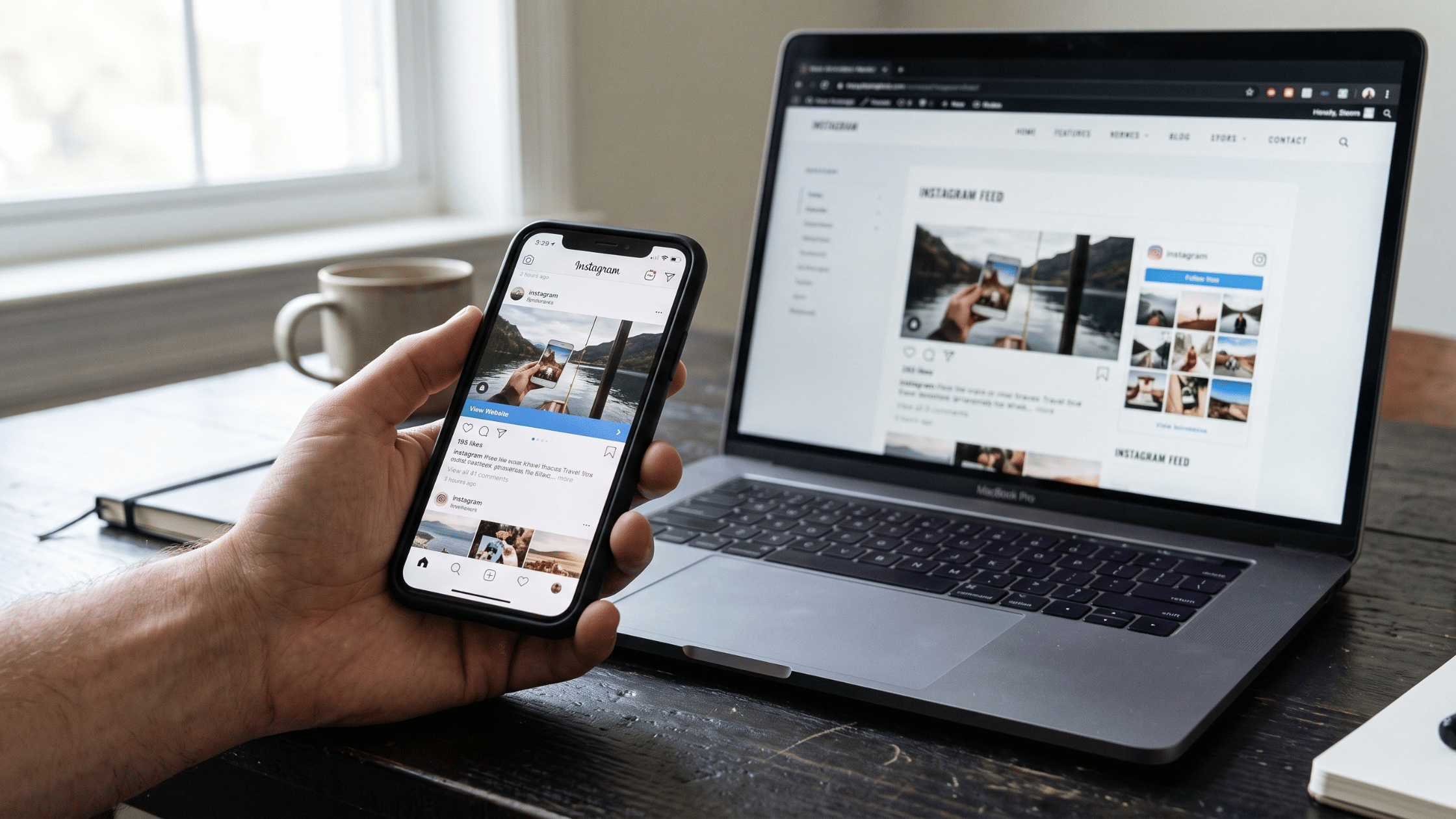
And the scope is broader than many organizations initially assume. The rule covers public-facing websites, mobile apps, digital documents, online learning platforms, and any content your organization "provides or makes available". This includes social media posts published after the compliance date. If your organization runs a social wall or embeds social media feeds on its website, that content falls within scope.
One notable exception worth knowing: pre-existing social media posts made before the compliance deadline are generally covered by a safe harbor. But anything published after April 2026 needs to meet the standard.
Get your social feeds ADA-compliant before April 24 → Start a free 14-day trial
Why alt text for images is a key WCAG 2.1 requirement
Of all the WCAG 2.1 requirements, image alt text is among the most straightforward in principle, and among the most neglected in practice. The rule is clear: every image and video thumbnail that conveys meaning needs a text alternative so that users who rely on screen readers or other assistive technologies can understand what they're looking at.
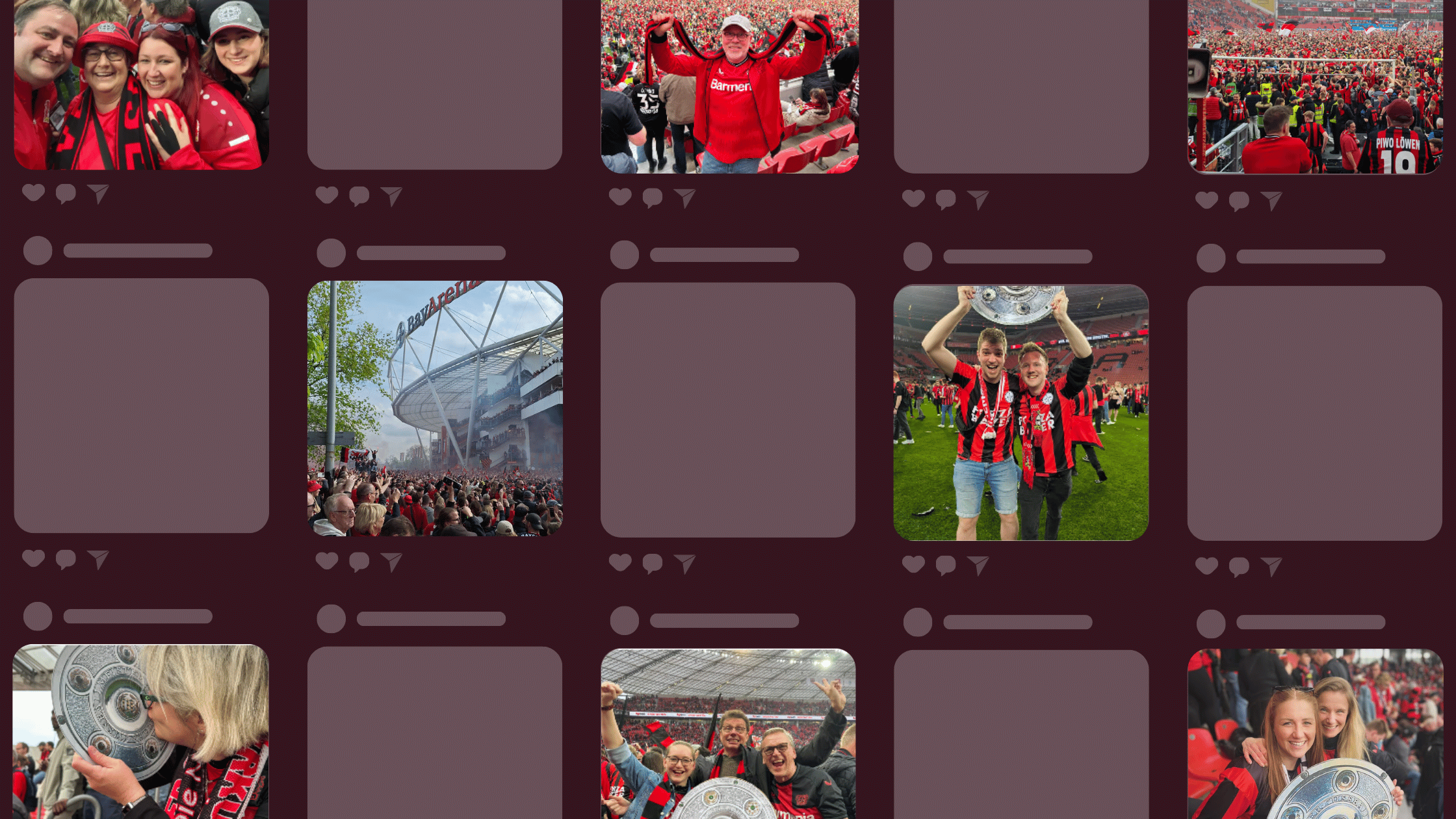
For most websites, that's manageable. For websites that aggregate and display live social media content, where new images and video thumbnails are constantly flowing in from multiple platforms, it's an entirely different challenge. You simply can't manually tag every piece of UGC in real time.
This is exactly the gap Flockler's AI Alt Text feature was built to close.
How Flockler's AI Alt Text helps you meet ADA compliance
AI Alt Text uses image recognition to automatically generate accurate, human-quality descriptions for every image and video thumbnail on your social wall. No manual effort required. The moment an image or video thumbnail is curated into your feed, it gets a contextual description that screen readers can read aloud to visually impaired users.
For customers on Business plans and higher, this is already live in your account. There's nothing to set up; it's built directly into the feed creation workflow.
What AI Alt Text does in practice
- Automatic descriptions for every curated social image and video thumbnail are generated the moment content enters your feed
- Consistent quality at scale, without the oversight gaps that come with manual tagging
- Compliance coverage for one of WCAG 2.1's most frequently cited accessibility requirements
- Better SEO as a secondary benefit, search engines read alt text too
Which Flockler plans include AI Alt Text?
For customers on the Basic plan, manual alt text remains available for all visual content. The AI automation is available on higher-tier plans, but the tools to add descriptions yourself are open to everyone.
Want to see AI Alt Text in action before the April deadline? → Book a demo
WCAG 2.1 compliance for higher education institutions
If you work in higher education, the April 24, 2026, deadline is directly relevant to you. Public universities and colleges, regardless of enrollment size, are classified by their state's population for compliance purposes, meaning almost all are subject to the first deadline rather than the 2027 extension.
The AGB (Association of Governing Boards) has been clear: institutions are also responsible for ensuring that the third-party vendors they use meet the same standards. That means the social feed aggregator on your homepage, your event feed, your athletics wall, all of it needs to be accessible.
Flockler's AI Alt Text is built with this in mind. For universities like George Washington University, which have used a social media aggregator to address both fragmented social presence and accessibility concerns, Automated Alt Text is a key part of keeping a growing digital footprint compliant without adding to the workload of already stretched web teams.
Flockler is already trusted by Harvard, GWU, and other top universities worldwide → Start a free 14-day trial
Does ADA digital accessibility apply to private organizations?
The current DOJ rule under Title II technically applies to public entities. However, private organizations operating under Title III of the ADA face similar legal expectations, and courts have consistently held that websites are places of public accommodation subject to the ADA.
In practice, if your organization serves the public, the same best practices apply. WCAG 2.1 Level AA is increasingly the de facto standard, whether you're a public university or a private brand.
Want to get ahead of compliance? Build accessibility into your strategy now to stay ahead of the curve. → Start your 14-day free trial
Accessibility compliance and inclusive web design
It's easy to frame accessibility compliance as a legal obligation to manage. But the underlying reason these rules exist is simpler than any regulatory framework: roughly 1 in 4 adults in the US has a disability, and many of them rely on screen readers, keyboard navigation, captions, and other assistive tools to access digital content.
Getting this right is building a website that works for everyone who visits it. When your social wall has no alt text, users relying on assistive technology aren't just getting a worse experience. They're locked out entirely.
Ready to get your social content compliant before April 24? → Book a demo
FAQs
What is WCAG 2.1 Level AA, and does it apply to my organization?
WCAG 2.1 (Web Content Accessibility Guidelines, version 2.1) is a set of technical standards developed by the World Wide Web Consortium that defines what it means for digital content to be accessible to people with disabilities. Level AA is the middle tier, more demanding than Level A, but more achievable than Level AAA, and it's the standard adopted by the DOJ for the new ADA Title II rule. If your organization is a state or local government entity (including public universities, school districts, government agencies, and libraries) and serves a population of 50,000 or more, the April 24, 2026, deadline applies to you. Private organizations face similar, though not identical, obligations under Title III of the ADA.
Does the rule cover social media content on our website?
Yes, with an important nuance. Social media posts your organization publishes after the compliance deadline must meet WCAG 2.1 Level AA standards. That includes social feeds embedded on your website. Pre-existing posts made before the compliance date are generally covered by an exception. Critically, the rule holds your organization responsible for the accessibility of content provided by third-party vendors on your behalf, so the tools you use to display social content must also meet the standard.
What does alt text actually do for accessibility?
Alt text (alternative text) is a written description attached to an image or video thumbnail that screen readers, software used by people with visual impairments, can read aloud. Without alt text, a screen reader has no way to convey what an image shows. For a social media wall displaying live, constantly updating visual content, manually writing alt text for every image and video thumbnail is impractical. Flockler's AI Alt Text solves this by automatically generating accurate descriptions for every image and video thumbnail in your feed, the moment it's curated.
We already add alt text to our social media posts, are we covered?"
Adding alt text directly on social platforms like Instagram or LinkedIn is good practice, but that accessibility data doesn't carry over when those posts are embedded on your website via a social feed aggregator. When Flockler pulls content from social platforms and displays it on your site, the platform-side alt text is left behind, meaning your embedded feed effectively has no alt text from your website visitor's perspective. Flockler's AI Alt Text solves this by generating descriptions at the point of display, ensuring every image on your social wall is accessible regardless of what was added on the original platform.
Is Flockler's AI Alt Text available on all plans?
AI Alt Text is available on the Business, Pro, Premium, and Agency plans and works automatically with no setup required. Customers on the Basic plan can still add alt text manually to images and video thumbnails in their feeds; the AI automation is the differentiator at higher tiers, not the ability to use alt text at all.
What happens if we don't comply by April 24, 2026?
Non-compliance with the ADA's digital accessibility rule carries legal risk, including potential litigation and financial penalties. Beyond the legal exposure, failing to meet accessibility standards excludes a significant portion of your audience from accessing your digital content. The AGB has recommended that institutions take the deadline seriously and, if needed, engage legal counsel to assess their readiness.
How do I know if our current Flockler plan already includes AI Alt Text?
If you're on a Business, Pro, Premium, or Agency plan, AI Alt Text is already active in your account. You can verify this in your post settings (edit mode) on the Content tab, check out the help center article on AI-Generated Alt Text for images and video thumbnails, or reach out to our team at team@flockler.com.
A true growth operator with extensive experience across crowdsourcing, affiliate programs, and social media aggregation. Brooke is the CEO if Flockler and cofounder of the marketing agency Northweather and has worked with global brands including LEGO. With international experience spanning SaaS, marketing, and product, she brings sharp expertise in strategy, execution, and driving results through global cross-functional teams.
Une infrastructure sociale qui évolue avec vous.
Commencez votre essai gratuit ou laissez-nous vous montrer la plateforme en action.