September 30, 2024
Social Media Event Marketing: A Practical Playbook for 2026
X minute de lecture


Une infrastructure sociale qui évolue avec vous.
Commencez votre essai gratuit ou laissez-nous vous montrer la plateforme en action.
Coachella 2026 generated nearly 40,000 posts and more than 157 million engagements across Instagram and TikTok in two weekends. Dreamforce 2024 pulled 45,000 in-person attendees and over 200,000 online registrations using a single hashtag, #DF24. Both events ran circles around their competitors on social, and neither did it by posting more.
What set them apart was treating social media event marketing as infrastructure and not simply a “launch campaign.” Hashtags printed on every surface. Live walls running on event screens. Attendee posts pulled back onto websites within seconds. Recap content shipping inside 48 hours.
This playbook breaks down the specific tactics that drive such outcomes, with the tools, screens, embeds, and metrics you can copy for your next event.
What Counts as Social Media Event Marketing (and What Doesn't)
Social media event marketing covers every social activity tied to an event, from announcement through post-event distribution. It is three jobs in one:
- Drive registrations before the event
- Activate attendee posting during the event
- Convert event content into ongoing marketing afterward
Consumers now make impulse purchases directly from social. 81% say a platform like Instagram or TikTok has triggered one in the last six months, and a registration page that does not match that energy will lose them in seconds. At the same time, 45% of event teams now run on just one to three people, so every piece of content has to do double duty. None of these numbers matters unless the social media event marketing strategy translates them into specific actions on specific channels.
Pre-Event: Tactics That Drive Registrations
The pre-event phase is when most of the budget for an event's social media marketing quietly leaks. Posts go out without a tracking plan. The landing page does not match the energy of the social creative, and the hashtag gets locked in late. A few specific corrections can fix most of it.
Launch the Hashtag Before Anything Else
Pick the hashtag in week one. Check it on Instagram, TikTok, X, LinkedIn, and Threads. Look for three things:
- Existing volume (a hashtag with 50,000 unrelated posts is unusable)
- Phonetic confusion (#TechCon24 vs #TechCom24)
- Embedded sub-words (capitalization can fix most of these)
Use a hashtag research tool to verify before printing. Dreamforce uses #DF24, #DF25, #DF26 (short, year-locked, unambiguous). Coachella uses the event name and year. Try to copy that pattern.
Build a Six-Week Promotion Calendar
A working schedule for a mid-sized event:
- Week 6: Reveal the hashtag, top three speakers, and early-bird pricing. Publish one short video per speaker (60-90 seconds). Eventbrite data shows video listings convert 10% better.
- Week 5: Run a 48-hour BOGO or "+1 free" early-bird promo. BOGO offers sell 2.2x more tickets in Eventbrite's marketplace.
- Week 4: Drop a "last year's event in 60 seconds" highlight reel. Run it as paid creative on the channels that brought the most signups last time.
- Week 3: Publish session-by-session breakdowns. One LinkedIn post per B2B event session. One Reel or TikTok per session for consumer events.
- Week 2: Partner takeovers. Speakers, sponsors, and past attendees post from their accounts using the hashtag.
- Week 1: Countdown posts daily, last-call discount code, direct outreach to high-intent leads from the CRM.
Embed a Live Hashtag Feed on the Registration Page
This is the single highest-converting change most event pages can make. A visitor who clicks through from LinkedIn or Instagram wants confirmation that real people care about the event. A static testimonial slider does not deliver that. A live feed pulling current posts from speakers, partners, and past attendees does.
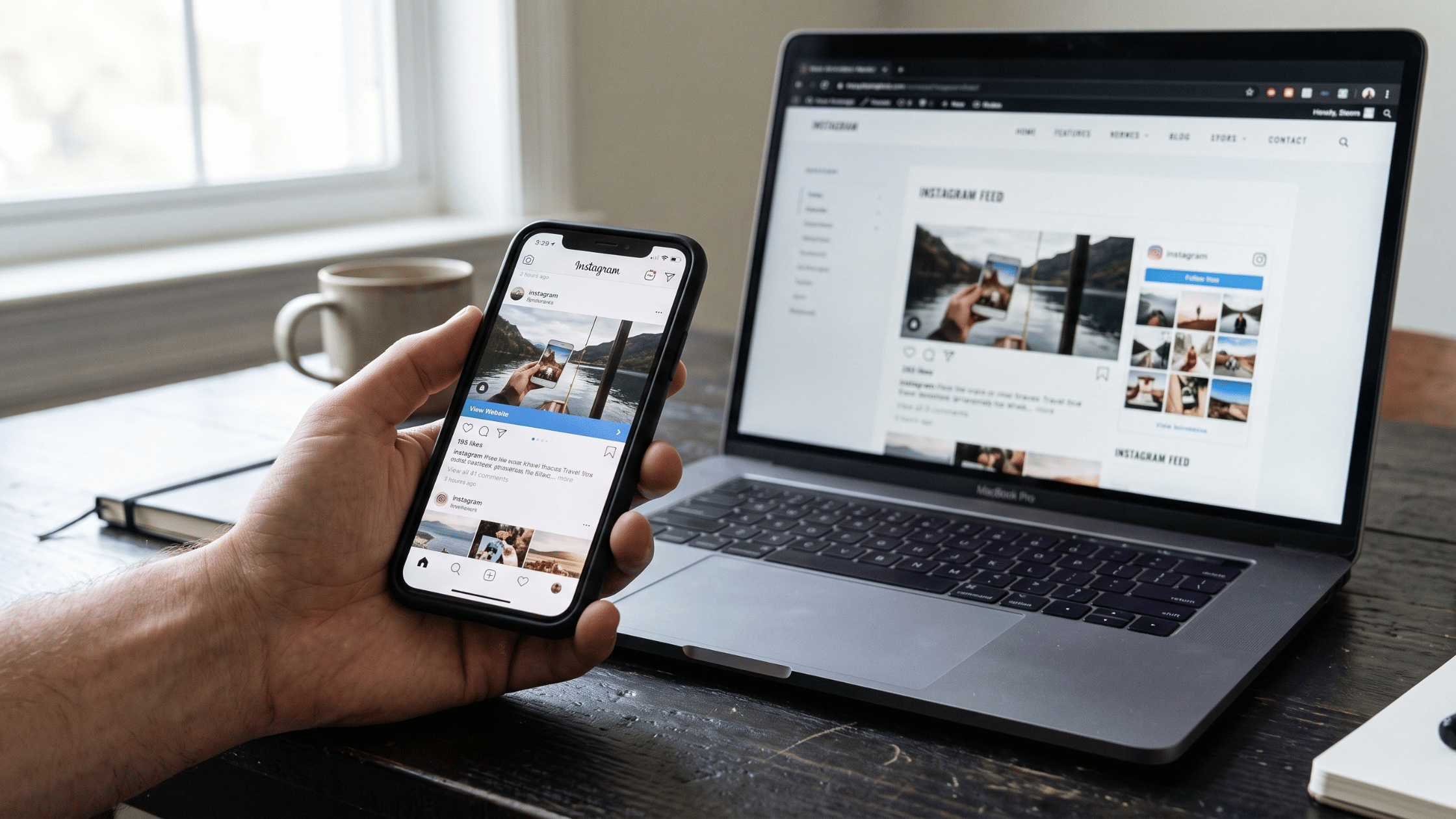
A social media aggregator pulls hashtag, account, and mention feeds from multiple platforms into one embed. You can then drop the code on the registration page, on sponsor microsites, and inside email confirmation pages. The same source feed updates everywhere automatically. Flockler’s social media aggregator is extremely easy to use and set up. You can check out the possible use cases for social media feeds and the setup in detail in Flockler’s website.
Pick Channels by Last Year's Conversion Data
Run a 30-minute audit before deciding where to post. Pull these from the last three events:
- Registrations by source (from UTM tags or registration source field)
- Cost per registration by channel (from ad reports)
- Average time from first touch to signup by channel
Cut anything that brought traffic but no signups. For most B2B events, that means heavier LinkedIn and X, lighter Instagram. For consumer events, the opposite. Trade shows usually need all four, plus YouTube.
Tactics That Turn Attendees Into Publishers
Here are some potential tactics to keep in mind that can turn your attendees into publishers:
Put the Hashtag in Eleven Places
Specifics matter here. Attendees who do not see the hashtag within their first hour may not post. Here’s a working checklist for you to use:
- Lanyards (front and back)
- All session slide templates
- Photo backdrops at registration and stage
- The wifi splash page
- Welcome email and check-in confirmation
- Branded merch (water bottles, tote bags, lanyard cards)
- Bathroom mirror clings
- Floor decals near sponsor booths
- Speaker briefing document (with a script for verbal mentions from the stage)
- Push notifications via the event app
- Live wall captions
Run Social Walls in Four Different Spots
One wall in one spot is a wasted opportunity. Different parts of a venue need different layouts:
- Main stage: slideshow layout, large format, rotates between sessions to highlight quotes and audience reactions
- Lobby and registration: scrolling grid wall, builds energy on arrival, runs from 30 minutes before doors open
- Networking lounges: carousel feeds filtered by sponsor or session track for relevance
- Exhibitor booths: focused feeds showing only posts tagged with the specific booth or product handle
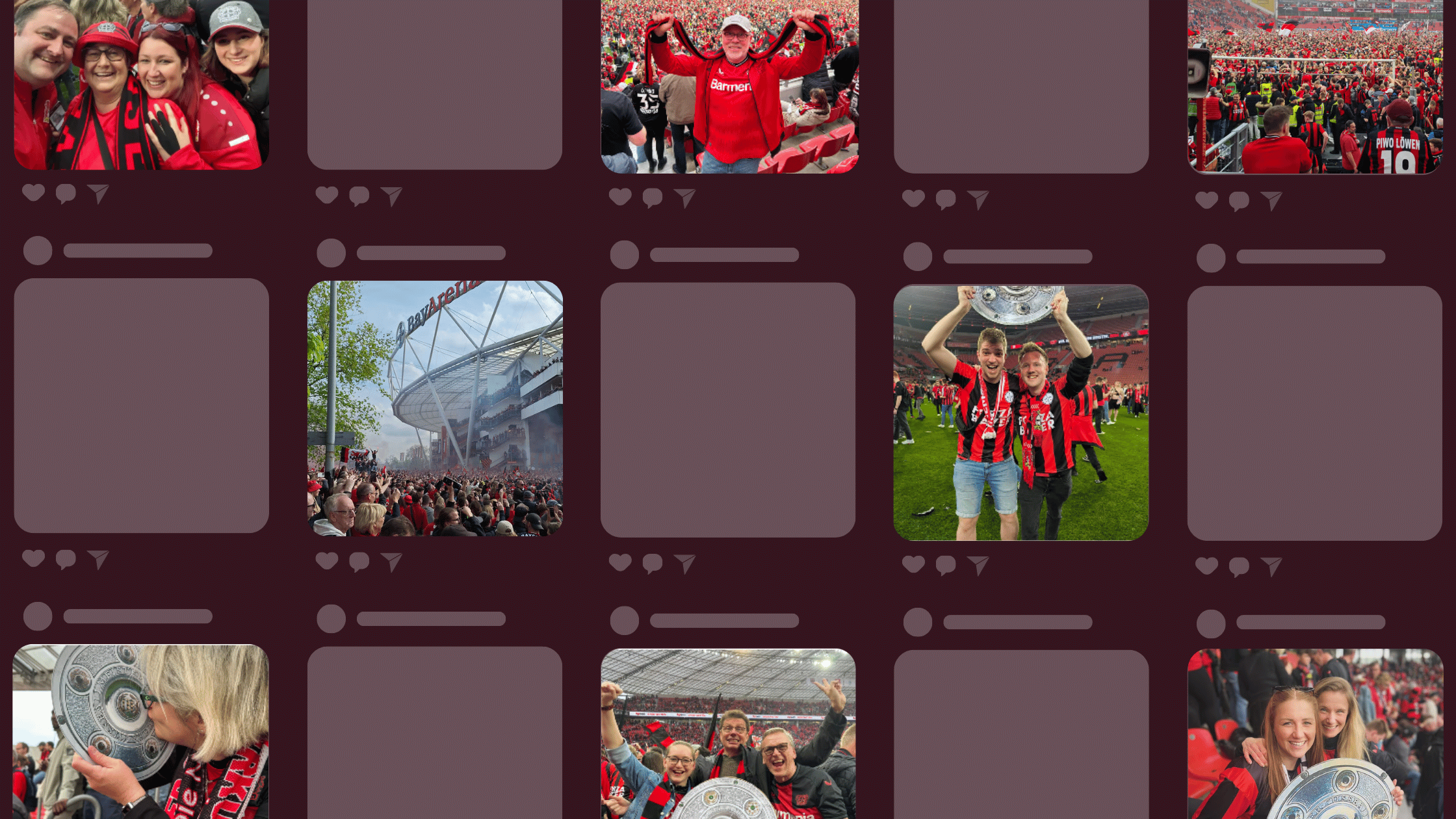
Flockler ships four layouts (wall, grid, carousel, slideshow) on every plan from the $110 Basic tier upward, so all four spots can run from the same content source without paying for upgrades. The social media walls for events guide covers configuration in more detail. If the venue already runs screens for wayfinding and sponsor messaging, slotting in social media digital signage usually takes a half-day to set up.
Messe Düsseldorf, one of the largest trade fair organizers in Europe, runs Flockler social walls across event websites, mobile apps, and physical venues for 5,000+ events. The FIFA Museum in Zürich uses a Flockler slideshow at the entrance to inspire visitors to share their own photos. Both setups scale up or down on the same product.
Three Real Examples Worth Copying
The mechanics of social media marketing for an event vary widely depending on the format. Three examples worth studying:
Harvard University runs separate hashtag feeds for each commencement ceremony, with each feed embedded on its own ceremony page on harvard.edu. Families and alumni who could not attend in person watch the day unfold on a live feed. The same content stays on the page as permanent social proof for prospective students.

GoPro uses #GoProAwards as a year-round hashtag campaign, then leans on it heavily during product launch events. The brand pulls user submissions into landing pages, retail signage, and paid ad creative on a single source feed.

Messe Düsseldorf runs live walls on the main stage and in lobby areas during MEDICA and other flagship trade shows. Attendees see their posts on screen within minutes, which lifts repeat posting throughout the day.

The common thread is reuse. One hashtag, one feed, multiple display points, multiple time windows.
Filter Out Bad Content Before It Hits the Screen
Spam, off-topic posts, and the occasional bad-faith account will appear on every live hashtag wall. A bored attendee posting something inappropriate on the main stage screen can turn into a LinkedIn post the next morning, usually for the wrong reasons.
Manual moderation works for events with fewer than 200 people if one team member monitors the queue. For anything bigger, AI moderation needs to be the first pass. Garde AI is built into Flockler's Business plan ($229/month) and above. It auto-filters spam, profanity, and off-topic content in real time, with manual override available for borderline posts.
Reward Posting With Something People Actually Want
A generic "post with the event hashtag for a chance to win" notice does not move attendees. Specific, scoped incentives do. Tested formats that lift posting volume:
- A leaderboard displayed on a screen showing top posters by engagement, refreshed every hour
- Early access to next year's event for the top 10 posters
- A 15-minute one-on-one with a keynote speaker for the most-engaged post
- A photo wall contest where the winning shot becomes the event's official recap thumbnail
The hashtag contest guide covers how to run this. The lift is usually measurable within the first session.
Post-Event: Tactics That Convert Buzz Into Pipeline
The 48 hours after an event are when attendee posts, photos, and tags are still coming in. Publishing recap content during this window extends the event's reach by weeks and keeps the hashtag feed active for ongoing use on landing pages and in ad campaigns.
Ship the Recap in 48 Hours
The 72-hour window after an event closes is when audience attention peaks and content has the most context. Teams are usually too exhausted to act on it, which is why brands that move quickly pull ahead.
A repeatable 48-hour recap checklist:
- A 60-90 second highlight video on Instagram Reels, TikTok, and LinkedIn
- A photo gallery of 20-30 images on a dedicated recap page
- Three to five sharp pull-quotes from the social wall
- A live hashtag feed is embedded on the recap page, so attendee posts keep doing the work
- A reply pass on the hashtag feed, thanking the top 50 posters
Turn Sessions Into Lead Capture
82% of organizers create video-on-demand content from events, and 53% gate at least some of it for lead capture. Recorded sessions become webinars, webinars become lead magnets, lead magnets feed the pipeline for the next event.
A practical sequence:
- Week 1 post-event: publish the keynote ungated on YouTube as a reach play
- Week 2: gate the three top sessions behind email signup as lead magnets
- Week 4: bundle five related sessions into a "best of" landing page with all gated content
- Month 3 onward: cut clips from sessions for ongoing social posts
Use Hashtag Feed Content as Paid Ad Creative
Attendee photos can outperform agency-created content in event ads. They look unmistakably real; the people in them are not models, and the engagement-per-dollar gap is usually significant. The workflow:
- Pull the top 20 posts by engagement from the hashtag feed using the Flockler hashtag aggregator
- Filter for clear shots with no copyright issues
- Request usage rights via DM (the hashtag campaign guide covers consent best practices)
- Run them as Instagram Reels and Meta carousel ads for the next event registration push
Flockler for Event Marketing Campaigns
A working social media event marketing strategy needs a tool that handles aggregation, moderation, display, and API access at events of any size. Flockler covers all four.
- Aggregation across 10+ platforms. Instagram, Facebook, X, TikTok, YouTube, LinkedIn, Bluesky, and more. Hashtags, accounts, and mentions can either combine into a single feed or be split across separate walls.
- Moderation that scales. Manual moderation on every plan. Garde AI on Business and above. Together, they cover everything from a 50-person webinar to a stadium-scale trade show.
- Unlimited layouts and page views on every plan. The same feed renders on registration pages, sponsor microsites, stadium screens, lobby signage, and staff intranets. No extra fees for additional placements.
- API access for custom builds. For agencies running events for multiple clients and enterprises with dev teams, Flockler's Content API is available on the Premium plan, with bulk feed creation for Instagram, Facebook, RSS, and X. The developer documentation explains what teams can build, and the social feed API explainer provides a non-technical overview.
- Verified pricing: Basic $110/month (8 feeds), Business $195/month (15 feeds, Garde AI included), Pro $329/month (30 feeds), Premium custom (unlimited feeds, API access). The 14-day free trial requires no credit card and covers one full event end to end.
Agencies running multiple client events at once should check the agency dashboard, which spins up new client walls within minutes from a single login.
5 Metrics That Tell If Your Social Media Event Worked
Impressions and follower growth are easy to count and rarely useful. A more useful scorecard is this:
- Cost per registration by channel. UTM every social link, broken down by phase. Cuts the budget conversation in half.
- Posts per attendee: A healthy live event hits 0.5 to 2 posts per attendee. 500 people generating 80 posts means the hashtag placement failed.
- Reach amplification ratio: Attendee reach divided by owned-channel reach. Anything above 3x means the room did real work.
- Top 10 amplifiers: Identify the attendees with the highest reach during the event and prioritize them for next year's outreach.
- Pipeline influenced: Connect registration data to the CRM. Track 30, 60, 90-day pipeline by social channel of origin.
Social Media Event Marketing Mistakes to Avoid
Most underperforming event campaigns share the same handful of avoidable mistakes. Fixing any one of them noticeably improves results for the next event.
- Static registration page: A page with no live social proof loses an estimated 20-40% of warm traffic that arrived from social.
- One social wall on one screen: Cuts posting volume by half compared to multi-screen setups.
- No moderation plan: A single bad post on the main stage stays in the recap. The post-event reputation damage outweighs the upside.
- No recap in 48 hours: Slipping to two weeks loses the attention window entirely.
- Treating attendee photos as one-time content: A hashtag feed is months of ad creative if rights are captured properly.
Conclusion
Social media event marketing has shifted from a launch-week activity into a year-round channel that drives registrations, builds energy on the day, and feeds months of marketing content afterward. Pulling all of that activity into one place is what separates events that generate compounding returns from events that disappear from the feed within a week.
If you are looking for a social media aggregation platform built for exactly this, Flockler handles feeds from 10+ channels, AI moderation, and unlimited display layouts on every plan. The 14-day free trial requires no credit card.
FAQs
What Is a Social Media Event Marketing Strategy?
A social media event marketing strategy is the plan for using social platforms to drive registrations, activate posting during the event, and convert event content into ongoing marketing. It defines the hashtag, the six-week promotion calendar, the live wall placements, the moderation approach, and the metrics. The point is to tie social back to a measurable outcome (ticket sales, leads, pipeline).
Which Social Media Platforms Work Best for Event Promotion?
LinkedIn and X convert for B2B conferences, industry events, and trade shows. Instagram, TikTok, and YouTube are effective channels for consumer events, festivals, and product launches. The correct mix depends on your registration source data from the last three events.
How Does a Social Wall Help With Social Media Marketing for an Event?
A social wall pulls posts tagged with the event hashtag and displays them in real time on websites and event screens. During the event, it lifts the attendees' posting volume because people post to see themselves on screen. After the event, the same wall stays embedded on the recap page as permanent social proof and feeds into ad creative for the next campaign.
How Soon Before an Event Should Social Media Promotion Start?
Six weeks is the working baseline for most mid-sized events. Major conferences and ticketed festivals typically start three to six months out (Dreamforce ticket sales open about 12 months in advance). Smaller community events and webinars usually only need two to three weeks of focused promotion. Eventbrite data shows fans purchase tickets an average of 18.5 days before the show date, so the final two weeks carry disproportionate weight.
Can Flockler Be Used During the Free Trial for a Live Event?
Yes. The 14-day free trial gives full access to all 10+ platforms, all four layouts, and unlimited page views, with no credit card required. That covers setup, testing, and running a full event from start to finish. API access is reserved for Premium and Agency plans, but trial API access can be requested directly from the Flockler team.
Maria Prakkat is a SaaS content marketing and SEO strategist with experience across SEO, GEO, and social media aggregation. She writes in-depth, research-backed content that helps businesses understand and apply solutions like social media aggregators, UGC platforms, and content distribution tools to improve visibility and engagement. Her work focuses on clarity, relevance, and long-term impact.
Une infrastructure sociale qui évolue avec vous.
Commencez votre essai gratuit ou laissez-nous vous montrer la plateforme en action.