February 4, 2026
11 Best Employee Advocacy Social Media Tools in 2026
X minute de lecture


Une infrastructure sociale qui évolue avec vous.
Commencez votre essai gratuit ou laissez-nous vous montrer la plateforme en action.
Your employees have something your brand’s social media account doesn’t: trust.
When your team shares company content through their personal social media accounts, people pay attention. Their networks are larger than you expect, and their recommendations carry more weight than corporate posts.
The real challenge is making this easy to manage. You need employees to share the right content at the right time. It should never feel forced or fake. You also need to measure what's working. This is where employee advocacy tools help.
This guide covers the best employee advocacy social media tools for 2026. We look at actual pricing, real features, and honest user reviews to help you pick the right platform for your team.
Does Employee Advocacy Matter for Enterprises?
Your employees can reach more people than your company's social media accounts. Their combined networks are massive, and people trust recommendations from real people more than they trust branded content.
This matters for real business reasons.
- Employee advocacy can cut your paid advertising costs while getting better results
- It helps you hire better candidates because people see how your company operates
- Sales teams can build relationships with prospects before the first call
In short, your employer brand gets stronger, and employees feel more connected to their work.
Without the right employee advocacy tools, enterprise programs fall apart. Employees forget to share, content feels too corporate, or you can't prove it's worth the effort. That's where these platforms help. We’ll explore 11 of the best tools for employee advocacy on social media in the next section.
#1. Flockler
Best for: Companies wanting to showcase employee social content internally

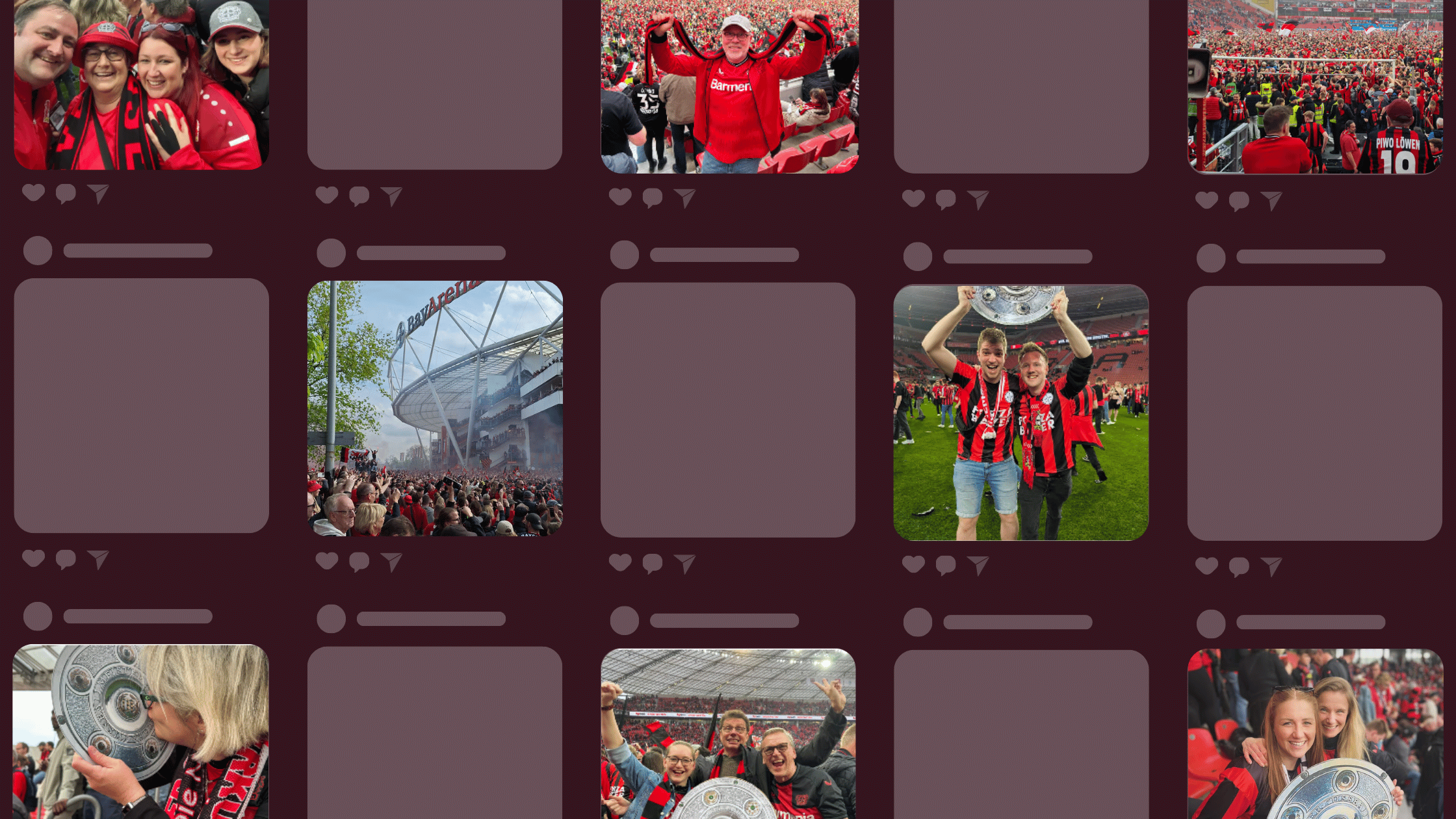
Social media aggregation tools like Flockler serve a different but complementary role in advocacy programs. While they don't distribute content to employees for sharing, as typical employee advocacy tools do, they can display the results of your advocacy efforts.
Best features:
- Aggregate social feeds from LinkedIn, Instagram, Twitter, Facebook, YouTube, TikTok
- Display social content on intranets, SharePoint, and digital signage
- Unlimited layouts (walls, grids, carousels, slideshows)
- Feed widgets for social media
- Content leaderboards and campaign tracking
- Moderate content before it displays
- Customize branding to match your company
- Real-time automated updates
- No coding required
What works well:
- Displaying aggregated social media feeds on company intranets and internal platforms keeps employees informed about company social media activity
- When employees see their social posts featured on internal channels, it validates their efforts. This often motivates them to share more.
- For companies using SharePoint or other intranet platforms, embedding social feeds showcases how the company and employees appear on social media
- You can also aggregate LinkedIn company page content, employee posts with specific hashtags, and other social sources to create comprehensive views of social activity
What doesn't:
- Social media aggregation tools complement advocacy platforms but don't replace them.
- They don't provide content libraries, individual employee performance analytics, or direct sharing capabilities
Pricing: Flockler offers a 14-day free trial with full features. Subscription plans include unlimited feeds, walls, page views, and domains, starting at $129 per month.
#2. Sprout Social Employee Advocacy
Best for: Companies that care about data and already use Sprout Social

Sprout Social's employee advocacy add-on is designed to be easy to use. If you already use Sprout Social, adding advocacy makes your whole social media operation run from one place.
Best features:
- Content hub with approved posts and captions
- Pre-approved message ideas for employees to stay on-brand
- Works with Microsoft Teams and Slack
- Measure and optimize advocacy results through different metrics
- Connects to Sprout's analytics
- Mobile app for sharing on the go
What works well:
- The interface is clean and simple, so people don't need much training
- Marketing teams can share pre-approved captions and messages for different posts
- The analytics help you show leadership what advocacy is worth
- For companies using Sprout Social already, adding advocacy creates one place to handle everything social media-related
- If you use Salesforce, the integration lets sales teams track how advocacy affects deals and revenue
What doesn't:
- You can only get this as an add-on to Sprout Social's Standard plan or higher. If you're not already a Sprout customer, that's a big barrier
- The standard plan for Sprout Social starts at $199 per seat/month, but the advocacy feature comes at an additional cost
- Features such as user permissions and complex integrations aren't as flexible as they need to be for big, complicated companies
Pricing: You need a Sprout Social plan first (Standard plan starts at $249 per user per month). The advocacy add-on costs extra. Sprout Social offers a free trial so you can test it out.
#3. GaggleAMP
Best for: B2B companies serious about getting employees to actually participate

GaggleAMP built its platform around one problem: keeping employees sharing content after the first week. They use AI, gamification, and detailed tracking to keep people engaged.
Best features:
- AI that rewrites posts so each employee's version sounds different
- Drag-and-drop content calendars and autoAMP of activities
- Points and prizes to keep people motivated
- Leaderboards showing top participants
- One-click employee engagement
- 10+ social networks supported
- Connects to Salesforce, Teams, Slack, HubSpot, and more
What works well:
- The AI paraphrasing solves duplication. When ten people share the same post, each version uses different words while keeping the same message
- The gamification drives participation. People compete for points, climb leaderboards, and redeem rewards. This keeps participation high long after the launch excitement fades
- 95% of users see full ROI within 90 days, mainly from spending less on ads and getting more organic reach
What doesn't:
- The interface looks dated compared to newer tools.
- The detailed activity tracking is powerful but needs careful setup
Pricing: Pricing depends on company size, goals, and program structure. Interested users can request a quote through the website.
#4. Hootsuite Amplify
Best for: Companies already using Hootsuite for social media

Hootsuite Amplify adds employee advocacy features to the Hootsuite platform you may already use. If your social team already uses Hootsuite, this keeps everything in one place.
Best features:
- A content library that employees access on their phones
- Integrates with Microsoft Teams, UpContent, TINT and Slack
- AI content writer feature for captions and content
- Leaderboards to make sharing more fun
- Analytics showing reach and engagement
- Let employees schedule posts ahead of time
What works well:
- If you already pay for Hootsuite, adding Amplify makes sense
- Your team doesn't need to learn another tool
- The Teams and Slack integrations are smart because that's where most employees actually spend their time
- The AI recommendations help employees find content they'll actually want to share
- The mobile app matters since most people manage their social media on phones
What doesn't:
- You need a Hootsuite subscription first, so this doesn't work if you use different social media tools
- Pricing isn't listed anywhere. You have to talk to sales, and costs vary a lot based on how many employees join your program
- The customization options feel limited compared to platforms built only for advocacy
- The analytics are useful for basic tracking, but they're not as detailed as specialized tools
Pricing: Only available as an add-on to Hootsuite Enterprise. The standard plan starts at $240 per user/month per user. However, you need to contact sales for exact pricing. Costs depend on your base Hootsuite plan and the number of employees participating.
#5. DSMN8
Best for: Global companies that need enterprise-level compliance and data security

DSMN8 is an all-in-one employee advocacy platform built with a client-first approach. They customize the solution based on the client’s needs and focus on content segmentation. Organizations like McKinsey, Nokia, and Dropbox use DSMN8 for its secure features and flexibility.
Best features:
- Split content by department, region, role, or language
- Creates multiple images and captions per post automatically using AI
- Schedule posts to go live automatically
- Custom email newsletters
- Gamification with leaderboards
- Connects to major CRM, marketing, and SSO platforms
What works well:
- The segmentation is excellent for larger companies. This targeting means employees only see the relevant content they want to share, which improves participation
- The dynamic display feature is smart. For each post, admins upload several images and write multiple captions. The platform automatically mixes and matches, giving each employee a different combination
- The live chat actually responds fast, and account managers help with strategy, not just tech support
What doesn't:
- Pricing isn't public. You have to talk to sales. Smaller companies might find it includes more features than they need, which could increase costs
- The desktop version has more features than the mobile apps. This could be limiting for employees who mostly use their phones
Pricing: Custom pricing based on company size, employee count, and features. All packages include unlimited admin seats, full training, live support, and standard integrations. Contact DSMN8 for a quote.
#6. Oktopost
Best for: B2B tech companies that want social media management and advocacy in one tool

Oktopost is well known for its B2B social media management capabilities, but they also offer employee advocacy functionality. You can connect both platforms and share workflows, campaigns, and reporting.
Best features:
- Advocacy board with pre-approved content
- Multiple caption options per post
- Content filtering by topic
- Blocks posts with banned keywords
- Content recommendations for advocates
- Connects to Salesforce, Marketo, Eloqua, HubSpot, and Dynamics 365
What works well:
- For B2B marketing teams managing company social accounts and advocacy programs, Oktopost keeps everything in one place. No switching between platforms.
- Connect advocacy shares to CRM data to track leads. Marketing teams can demonstrate how employee advocacy drives pipeline generation, which is critical in B2B.
- The keyword blocking helps keep the brand safe. Employees can't accidentally share content with banned or controversial terms.
What doesn't:
- If you're happy with your current social media management tool, switching to Oktopost just for advocacy might not make sense.
- The platform works well for B2B but may not be a good fit for B2C companies.
Pricing: Custom pricing based on company size, user count, and features. Contact Oktopost for a quote. The platform typically works well for mid-market and enterprise B2B companies that already invest in full social media management.
#7. Sociabble
Best for: Companies wanting employee communications and advocacy in one platform

Sociabble combines internal communications, employee engagement, and advocacy into one single platform. Using Sociabble, companies can leverage employees' social networks to prospect and generate revenue.
Best features:
- Internal communication hub for company news
- Content from official channels and employee suggestions
- Supports photos, videos, and audio
- Analytics split by employee groups
- Automated reports delivered on schedule
What works well:
- For companies looking to upgrade internal communications, Sociabble delivers more than just advocacy. The platform serves as a central hub where employees access company news, resources, and shareable content.
- The segmented analytics help identify which employee groups engage most. This lets you improve the program where it's weak.
- Automated reports save program admins time.
What doesn't:
- As a combined tool, some dedicated advocacy features may feel less developed than those on specialized platforms.
- Setup may take longer because the platform handles multiple tasks. If you only need advocacy, the extra communication features might feel unnecessary.
Pricing: Custom pricing based on employee count and features. You can contact Sociabble for a quote.
#8. EveryoneSocial
Best for: Budget-conscious companies starting employee advocacy programs

EveryoneSocial provides employee advocacy software with a freemium model. In addition to a two-week free trial, their Starter plan is free forever but includes limited features. This makes it accessible for organizations to test advocacy strategies before committing to paid platforms.
Best features:
- Content library with pre-approved posts
- Mobile app for iOS and Android
- Basic analytics tracking reach and engagement
- Gamification with points and leaderboards
- Email digest of available content
- Social media platform integration
What works well:
- The free version lets you start an advocacy program without a credit card
- Marketing teams can launch, measure early results, and prove value before buying paid tools
- The platform covers basic advocacy functions without overwhelming complexity. This makes adoption easier for employees new to advocacy
What doesn't:
- The free version has real limits on users, features, and analytics depth. Programs outgrow the free tier fast, requiring migration to paid plans or different platforms
- Advanced features compared to premium competitors (AI content variations, detailed segmentation, comprehensive integrations) are limited or missing
Pricing: Free tier with limitations. Paid plans are custom-based on company size. Contact EveryoneSocial for pricing.
#9. Haiilo
Best for: Companies wanting to build an internal community alongside advocacy

Haiilo, previously known as Smarp, focuses on employee communication, with advocacy layered in as a supporting capability. It functions as a social intranet where employees interact internally and share company content on external channels.
Key features:
- AI-powered social intranet for internal networking
- Many AI-powered tools for articles, summaries and image generation
- Content sharing and scheduling
- Employee group-level analytics
- Communication performance tracking by segment
- Automated reporting
- Gamification through leaderboards and perks for the most active employees
- Insights into clicks, reach and media value
What works well:
- The internal intranet encourages employees to engage with company content first, before sharing it outside
- Haiilo breaks down communication performance by employee groups, which makes it easier to see what connects with different teams
- Because it serves both HR and internal communications needs, teams can justify the investment more easily compared to single-purpose tools
What doesn’t:
- If your main goal is employee advocacy, the internal community layer may feel like extra overhead and can drive up costs compared to dedicated advocacy platforms
- Advanced advocacy features, such as deeper content variation controls, are not as strong as those offered by more specialized tools
Pricing:
Haiilo offers 3 different plans, all with custom pricing. Quotes are provided directly by Haiilo.
#10. Firstup
Best for: Enterprise companies with lots of frontline workers

Firstup positions itself as an employee communications platform with some advocacy and intranet features. They focus on reaching frontline and distributed teams and include mobile apps to engage workers wherever they are.
Key features:
- Targeted communications delivery
- Targeted engagement with updates, tasks and tools for employees
- Mobile-first design for frontline workers
- Integrations with frequently used tools by employees
- Push notifications for important alerts
What works well:
- The mobile-first approach ensures advocacy content gets to all employees, regardless of where they work
- The platform measures employee engagement, helping communications teams understand what content works and optimize future communications
What doesn't:
- Compared to dedicated advocacy platforms, Firstup lacks certain specialized features
- Complex and non-intuitive backend
- Limited customizations for branding
- Analytics and reporting feel less developed compared to platforms focused only on advocacy measurement
Pricing: Three custom plans are available, each with different features. Contact Firstup for a quote.
#11. Sprinklr Advocacy
Best for: Global enterprises already using Sprinklr

Sprinklr is a global advocacy management tool designed for large businesses that use Sprinklr's social media suite. It provides the best functionality and experience for companies that manage social customer interactions across multiple channels and locations at very high volumes.
Best features:
- Centralized content curation and distribution
- Governance/compliance controls
- Gamification through rewards and badges
- Real-time analytics of reach and engagement
- Integrates with Teams, HubSpot, Slack, Salesforce and more
What works well:
- For companies already using Sprinklr for social media management, customer care, or advertising, adding advocacy creates consistency
- The enterprise-grade governance ensures brand safety across global companies with complex compliance requirements
What doesn’t:
- Steep learning curves compared to simpler advocacy tools
- Implementation typically needs dedicated resources and takes longer
- Pricing reflects the enterprise positioning. It might exceed budgets for mid-market companies or those only needing advocacy without broader social management
Pricing: Custom quotes only. Contact Sprinklr for more details on pricing and a demo.
How to Choose the Right Employee Advocacy Tool?
Picking the right tool depends on your specific situation, existing tools, budget, and goals.
Look at Your Current Tools
Your ideal platform should work with tools your team already uses daily. Content delivered where employees already work gets shared more often. Companies using existing social media platforms (Hootsuite, Sprout Social, Oktopost) might benefit from adding native advocacy features rather than introducing separate tools.
Think About Content Management
Consider how marketing teams will create and distribute content. Platforms offering multiple caption and image variations prevent identical or duplicate posts across employee accounts. This keeps sharing authentic.
Check the Analytics
Determine what metrics matter for your program and make sure your tool offers that and more. Certain premium and advanced tools let you calculate earned media value, attribute shares to pipeline influence, and segment performance by employee groups.
Consider Employee Experience
Employee adoption makes or breaks advocacy programs. Platforms with simple interfaces, mobile apps, and minimal learning curves get higher participation. Gamification elements such as leaderboards and rewards help sustain long-term engagement. Test platforms during free trials or demos with actual employees beyond marketing teams.
Examine Support Quality
Implementation support varies significantly. Some providers offer dedicated customer success managers, comprehensive training, and fast-response support. Others provide standard documentation and email support. Remember, for first-time advocacy programs, strong onboarding support helps you succeed faster.
Understand Pricing
Employee advocacy platforms use different pricing structures. Some charge per user annually ($150-$400 per employee). Others offer tiered subscriptions based on total employee counts. Look out for free trials so you can test before committing. If they only offer a demo, make sure you address all your questions before purchasing. Ensure pricing clarity on all costs: base subscription, per-user fees, integration charges, and feature add-ons.
Plan for Growth
Consider future growth when evaluating platforms. Will adding users or expanding to new regions require pricing renegotiation? Can the platform handle increased content volume as programs mature? Enterprise-focused platforms typically scale more smoothly than tools designed for small teams. However, smaller companies may not need enterprise capabilities immediately.
Getting Your Employee Advocacy Program Started
The right employee advocacy platform depends on your needs and goals. If you are already committed to comprehensive social media management platforms (Hootsuite, Sprout Social, Oktopost) you may find the added value of native advocacy capabilities well worth the potentially higher costs. The increased operational efficiency and streamlined workflows are well worth the higher price tag.
On the flip side, if you are just beginning your employee advocacy initiatives, platforms like Flockler, DSMN8, GaggleAMP, or EveryoneSocial can be good choices.
Regardless of the platform you choose, success will depend more on the program design, content quality, and employee engagement strategy. The right tool supports your strategy. It does not replace clear thinking about why employees should participate or what value advocacy creates for them.
Consider starting with a limited pilot program using your chosen platform. Test with enthusiastic early adopters, refine your approach based on feedback, measure initial results, and scale gradually as you prove value and build an internal advocacy culture.
Maria Prakkat is a SaaS content marketing and SEO strategist with experience across SEO, GEO, and social media aggregation. She writes in-depth, research-backed content that helps businesses understand and apply solutions like social media aggregators, UGC platforms, and content distribution tools to improve visibility and engagement. Her work focuses on clarity, relevance, and long-term impact.
Une infrastructure sociale qui évolue avec vous.
Commencez votre essai gratuit ou laissez-nous vous montrer la plateforme en action.