January 6, 2026
Social Media Marketing Tools for Agencies in 2026
X minute read


Social infrastructure that scales with you.
Start your free trial, or let us show you the platform in action.
If your agency is managing multiple clients, a robust social media marketing tool can be the difference between success and failure. Social media marketing tools for agencies help ease scheduling, approvals, analytics, collaboration, and content delivery.
At their core, every agency’s social media toolset should cover: multi-account scheduling, analytics and reporting, collaboration workflows, social listening, and content aggregation or UGC support. Integrating a social wall and UGC tool adds unique value, enabling agencies to deliver dynamic, user-generated content and social proof for clients.
In this blog, we’ll show you the criteria agencies should use when choosing the best tool, compare the top tools, and share a real-life example of how an agency benefited from adding UGC.
Why do agencies need social media marketing tools?
Running social media for a single brand is one thing, but for agencies juggling multiple clients across platforms, content calendars, and deliverables, the complexity grows fast.
Agencies often have to face:
- Multiple clients, each with their own social accounts, content strategy, and posting schedules
- Different platforms, Instagram, X(Twitter), LinkedIn, Facebook, TikTok, each with unique post formats, timings, and best practices
- Frequent posting needs, content variation (static posts, stories, video, UGC), approvals, revisions, and client feedback loops
- Clients expect regular reporting of performance metrics, analytics, reach, and engagement.
- Resource constraints: limited teams, tight deadlines, high content volume, and the need to stay efficient yet effective
Social media management tools solve many of these challenges at once. By combining scheduling, publishing, analytics, engagement tracking, and collaboration all from one dashboard, agencies can:
- Save time and reduce manual work
- Maintain consistency across clients and platforms
- Reduce errors like double-posting or missing approvals
- Offer transparent reporting and accountability to clients
- Scale operations without proportionally increasing headcount or overhead
Social media marketing remains essential for brands, helping them reach audiences where they spend time, build relationships, and grow awareness. Agencies that invest in robust social media marketing tools can streamline processes for their brands.
What should agencies look for in their social media tools
Here's a breakdown of the core features and benefits that make a social media tool agency-ready.
Multi-Account Management & Scheduling
An agency-grade social tool enables the management of multiple clients' social accounts from a single dashboard. Features to look for:
- Ability to connect many social profiles across platforms (Instagram, X, LinkedIn, Facebook, TikTok, and more)
- Bulk scheduling, content queues, and content calendars to plan weeks or months in advance
- Recurring posts or automated scheduling to reduce repetitive tasks
This approach massively improves efficiency compared to logging into separate accounts or posting manually. It reduces setup time and ensures consistent posting cadence.
Client Collaboration, Approvals & White-Labeling
For agencies, collaboration and approval workflows are essential. Internal teams create content, then pass it to clients for review before publishing. Important features include:
- Role-based permissions and approval workflows ensure that only reviewed and approved content goes live
- Client dashboards where clients can view content calendars, upcoming posts, and analytics
- White-label or branded reports and dashboards so agencies can deliver polished output under their own brand
These features smooth the agency-client interaction loop, maintain accountability, and support professional presentation.
Analytics & Reporting
Social media isn't just about posting; it's about performance and results. Agencies need tools that provide:
- Unified analytics across platforms (engagement, reach, impressions, follower growth, conversions)
- Exportable or shareable reports for clients, ideally in branded, white-label formats
- Insights that help optimize posting cadence, content types, and platform strategy
Robust analytics separate sporadic posting from data-driven marketing. They help show value to clients, justify the agency's work, and refine strategy over time.
Content Creation, UGC & Social Proof Integration
Modern social media success often relies not just on brand content but on user-generated content (UGC), authentic engagement, and social proof. Agencies also use invideo's agentic workflow to turn ideas into finished videos, scripts, visuals, voiceover, and editing without adding production hours. Agencies benefit when tools support:
- Media assets and libraries storing creative assets in one place for reuse across clients
- Embeds, social wall, or UGC wall support enabling aggregation and display of authentic user content and social proof
- Integration with UGC and social proof tools to help clients stand out with honest, community-driven content rather than just branded posts
This extends beyond standard scheduling; it enriches content strategy with social proof and real user voices.
Social Listening & Engagement Tools
Agencies often handle community management for clients. Tools that offer:
- Unified inbox or message management
- Comment and reply consolidation across platforms
- Sentiment tracking or brand mention monitoring
These features make it easier to manage engagement, respond quickly, and monitor brand reputation across multiple clients. This is increasingly important in 2026 as social presence intersects with customer support, brand community, and public perception.
Scalability & Flexibility
Whether you're a small boutique agency or a large enterprise shop, flexibility matters. The ideal tools offer:
- Support for many profiles and clients without steep cost scaling
- Team workflow features approvals, role-based permissions, and collaboration
- White-label or client-branded outputs (dashboards, reports)
- Ability to adapt to different client needs, some may need deep analytics, others just scheduling and posting.
A flexible tool stack ensures that, regardless of agency size or client mix, operations remain manageable and scalable.
Top Social Media Tools for Agencies in 2026
Here's a curated list of widely used social media tools, including what Flockler brings to the table and what each excels at for agencies.
Flockler

If you’re looking for a Social Feed & UGC Aggregation tool for your agencies. Why Flockler fits into the agency stack:
- Aggregates content from multiple social platforms, UGC, user feedback, and community posts into a unified feed
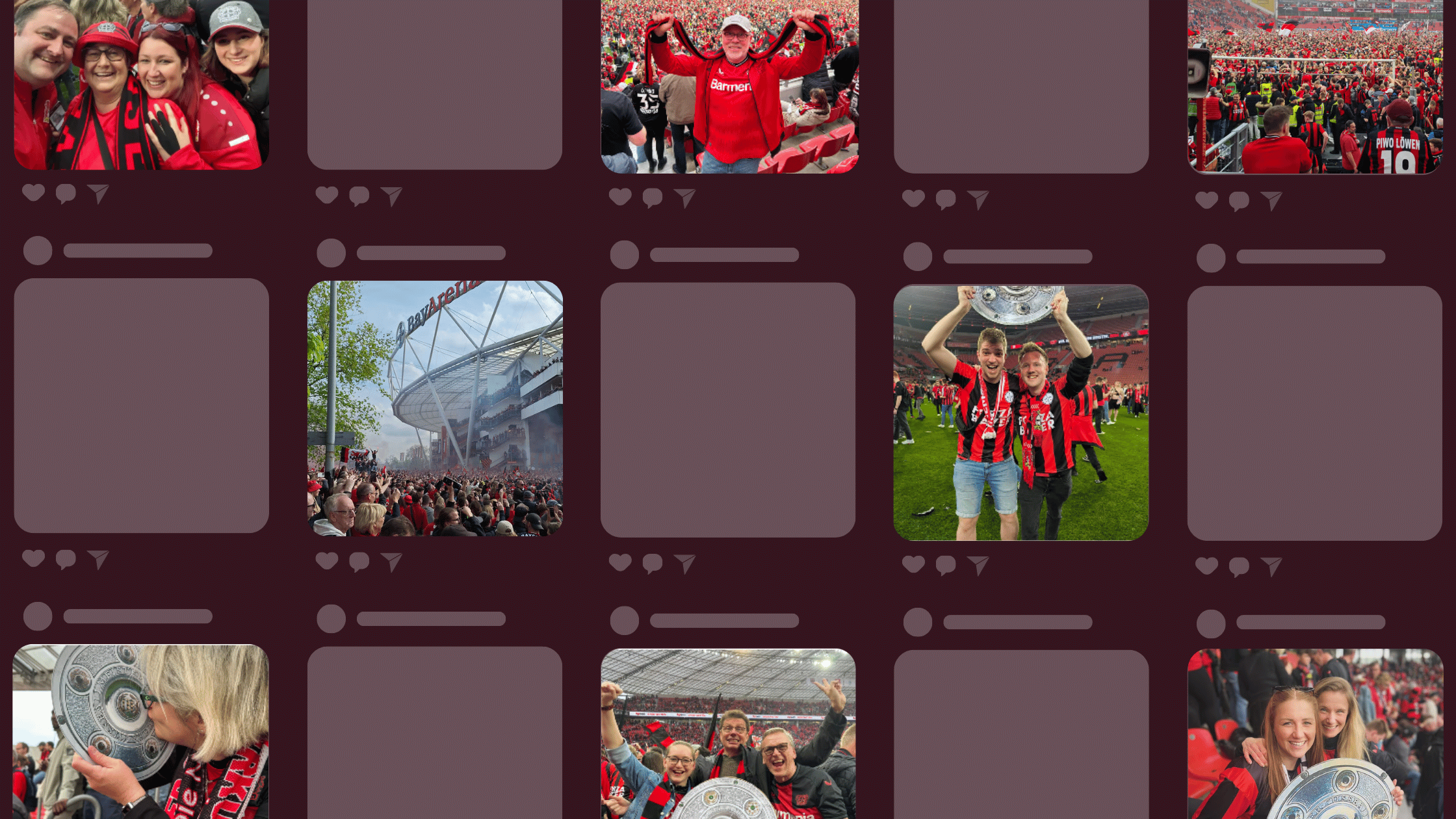
- Provides social wall or content wall layouts that can be embedded on client websites, landing pages, or digital signage, adding social proof and authenticity
- Supports moderation, consent tracking, and curatio, giving agencies control over what goes live
- Helps agencies deliver more than just scheduled posts: offers dynamic, real-user content that enhances trust, engagement, and brand authenticity
When paired with core scheduling and analytics tools, Flockler becomes a powerful differentiator, enabling agencies to offer clients enhanced social proof and content-rich experiences.
⚡Try it for yourself: Signup for a free trial and see how Flockler can elevate your agency
Sprout

A popular choice for agencies requiring deep insights and comprehensive social listening:
- Unified analytics across platforms, performance tracking, and audience insights
- Tools for content planning, scheduling, and team collaboration suitable for agencies managing multiple clients
- Social listening and community engagement monitoring are useful for reputation management and customer care
Sendible (Brevo)

An agency-oriented tool designed for multi-client workflows:
- Offers content scheduling across platforms, bulk scheduling, content queues, and content calendar
- Provides approval workflows, client dashboards, and white-label reporting, ideal when you need to present results under agency branding
- Supports media-rich posts and integrations with design tools, helpful for creative content for multiple clients
Hootsuite

Still widely used for its broad platform support and straightforward scheduling:
- Simple content calendar, queue scheduling, cross-platform posting, link shortener, campaign tracking
- Affordable and easy to onboard for small to mid-size agencies or freelancers
- Useful for clients needing basic scheduling and posting functionality without complex analytics or white-label needs
SocialPilot

For small or budget-limited agencies:
- Offers bulk scheduling, support for multiple client accounts, and team collaboration at lower price tiers
- Sufficient for agencies focusing on volume posting, basic social presence, or content scheduling without heavy analytics demands
Best Practices for Agencies Using Social Media Tools
Having tools is only part of the equation; using them well matters. Here are best practices for agencies building efficient, scalable workflows:
Maintain a unified content calendar that mixes scheduled brand posts with UGC, social wall content, and real-time engagement posts. This ensures variety, freshness, and consistent output.
Use UGC and social proof strategically but only after obtaining consent and moderating content. Authentic user content boosts credibility, but requires control to maintain quality and safety.
Provide transparent reporting to clients using analytics to show growth, engagement improvements, conversions, or reach. This builds trust and demonstrates ROI on your agency's work.
Choose tools based on client needs, not a one-size-fits-all stack. Some clients may need deep analytics and reporting, while others just need posting frequency and basic content. Select accordingly.
Set up proper agency workflows: Establish processes for onboarding new clients, content approval cycles, client reviews, content calendars, and role-based permissions, all of which help maintain quality and avoid chaos as you scale.
Create an optimal stack: Pick 1–2 core tools (scheduling plus analytics) for backbone operations, then add specialized tools (UGC and social wall) to expand service offerings.
Continuously monitor and iterate: Track performance, engagement, and client feedback, refine posting cadence, content mix, UGC versus branded content ratio, or reporting frequency.
Why Flockler Transforms Agency Service Offerings
Social media marketing isn't optional for brands or agencies. As competition intensifies and audiences expect authenticity, agencies need efficient, scalable tools to manage multiple clients across platforms, deliver consistent content, and measure performance.
Many social media tools focus on scheduling, analytics, and posting, but few provide strong social proof, UGC, or content aggregation capabilities. That's where Flockler stands out.
Social proof and UGC capability: Flockler lets agencies collect real user-generated posts, embed social walls or feeds on client websites, and showcase community content, delivering authenticity harder to replicate with branded content alone.
Augments traditional tools: While scheduling and analytics tools handle posting and metrics, Flockler complements them by enabling a dynamic content strategy, giving agencies a more holistic offering.
Scalable and flexible: Whether you manage a handful of clients or dozens, Flockler supports content aggregation and embedding at scale without additional development burden.
Enhanced service offering: With social wall and UGC-based features, agencies can offer richer content services, boosting client value and differentiating from competitors who only provide basic posting services.
If you're an agency ready to level up your social media offering by blending a structured workflow with the power of authentic social content, Flockler helps you bridge the gap.
Start your free 14-day trial with Flockler and discover how to deliver measurable value through authentic social proof and user-generated content.
FAQs
What tools do social media agencies need in 2026?
Agencies need a combination of scheduling and publishing platforms, analytics and reporting tools, social listening capabilities, and content aggregation or UGC tools. The core stack should handle multi-account management, client collaboration, performance tracking, and increasingly, social proof integration through platforms like Flockler.
How does Flockler help agencies manage multiple clients?
Flockler enables agencies to aggregate social content from multiple platforms into branded feeds for each client. You can manage all client feeds from a single dashboard, customize layouts and branding per client, moderate content before it goes live, and track performance all without proportional increases in manual workload.
Can agencies white-label Flockler for their clients?
Yes. Flockler supports customizable branding, allowing agencies to deliver social walls and UGC feeds that match each client's brand identity. This enables agencies to offer social proof as part of their service without exposing the underlying platform.
What's the difference between scheduling tools and content aggregation tools?
Scheduling tools help you plan and publish brand-created content across social platforms. Content aggregation tools like Flockler collect existing social media posts from customers, fans, or community members and display them as social proof on websites and digital displays. Both serve different but complementary purposes in a complete social media strategy.
How much time can agencies save using social media management tools?
The time saved varies by agency size and complexity, but agencies typically report saving 10-15 hours per week per client by using centralized tools instead of managing each platform individually. Tools that combine scheduling, analytics, and UGC aggregation, like Flockler, can save even more time by eliminating manual content curation.
What should agencies look for in a social media tool for client reporting?
Look for tools that offer unified analytics across all platforms, customizable and exportable reports, white-label options to match your agency branding, scheduled report delivery, and clear visualization of key metrics such as engagement, reach, follower growth, and conversions. The ability to compare performance across clients or time periods is also valuable.
How do agencies charge clients for social media services using these tools?
Most agencies use retainer-based pricing (monthly fees for ongoing services), project-based pricing (for campaigns or one-time setups), or performance-based pricing (tied to specific metrics). Tool costs are typically built into your service pricing or billed as separate line items. Some agencies charge premium rates for advanced services like UGC aggregation and social proof integration.
Can multiple team members collaborate on client accounts in Flockler?
Yes. Flockler supports team collaboration with role-based permissions, allowing different team members to have appropriate access levels. Some can moderate content, others can manage settings, and you can grant clients view-only access to their feeds and analytics.
What platforms does Flockler aggregate content from?
Flockler aggregates content from major social platforms, including Instagram, TikTok, X (Twitter), Facebook, LinkedIn, YouTube, and Pinterest. You can pull content using hashtags, mentions, specific accounts, and keywords, giving you flexibility in sourcing authentic user-generated content for clients.
How does adding UGC and social proof impact client results?
Displaying UGC and social proof typically increases website engagement, time on site, and conversion rates. This makes UGC aggregation a high-value service that agencies can offer to demonstrate measurable ROI.
A true growth operator with extensive experience across crowdsourcing, affiliate programs, and social media aggregation. Brooke is the CEO if Flockler and cofounder of the marketing agency Northweather and has worked with global brands including LEGO. With international experience spanning SaaS, marketing, and product, she brings sharp expertise in strategy, execution, and driving results through global cross-functional teams.
Social infrastructure that scales with you.
Start your free trial, or let us show you the platform in action.