October 11, 2021
Best Social Media Widgets for Websites: A Guide for Agencies, Developers, and Enterprises
X minute read


Social infrastructure that scales with you.
Start your free trial, or let us show you the platform in action.
A new client wants Instagram, TikTok, and LinkedIn feeds on their homepage. Another wants a hashtag wall for next week's product launch. The dev team needs API access for the headless rebuild. Three requests, three widget types, one Friday afternoon to scope it all.
That is what choosing the best social media widgets for websites actually looks like.
This guide covers the 10 best social media widgets for websites in 2026. Each section explains what the widget does, where it fits, and what agencies, developers, and enterprise teams should weigh before rolling it out at scale.
What Is a Social Media Widget for Websites?
A social media widget is a block of embeddable code that pulls posts from one or more social platforms and displays them on a website. The widget handles authentication, content refresh, and rendering in the background.
The best social media widgets for websites do more than mirror a social feed. They aggregate across platforms, filter by hashtag or keyword, moderate content automatically, and integrate with CMS and e-commerce systems. The right widget updates automatically, meets accessibility standards, and scales across multiple websites from a single dashboard.
10 Best Social Media Widgets for Websites in 2026
Each widget below solves a specific problem. Some are best suited to homepages. Others fit product pages, event hubs, intranets, or campaign microsites. Use this list to map widget types to your team's actual goals.
1. Social Media Wall Widget
Best for: Event pages, campaign hubs, brand homepages, university sites.
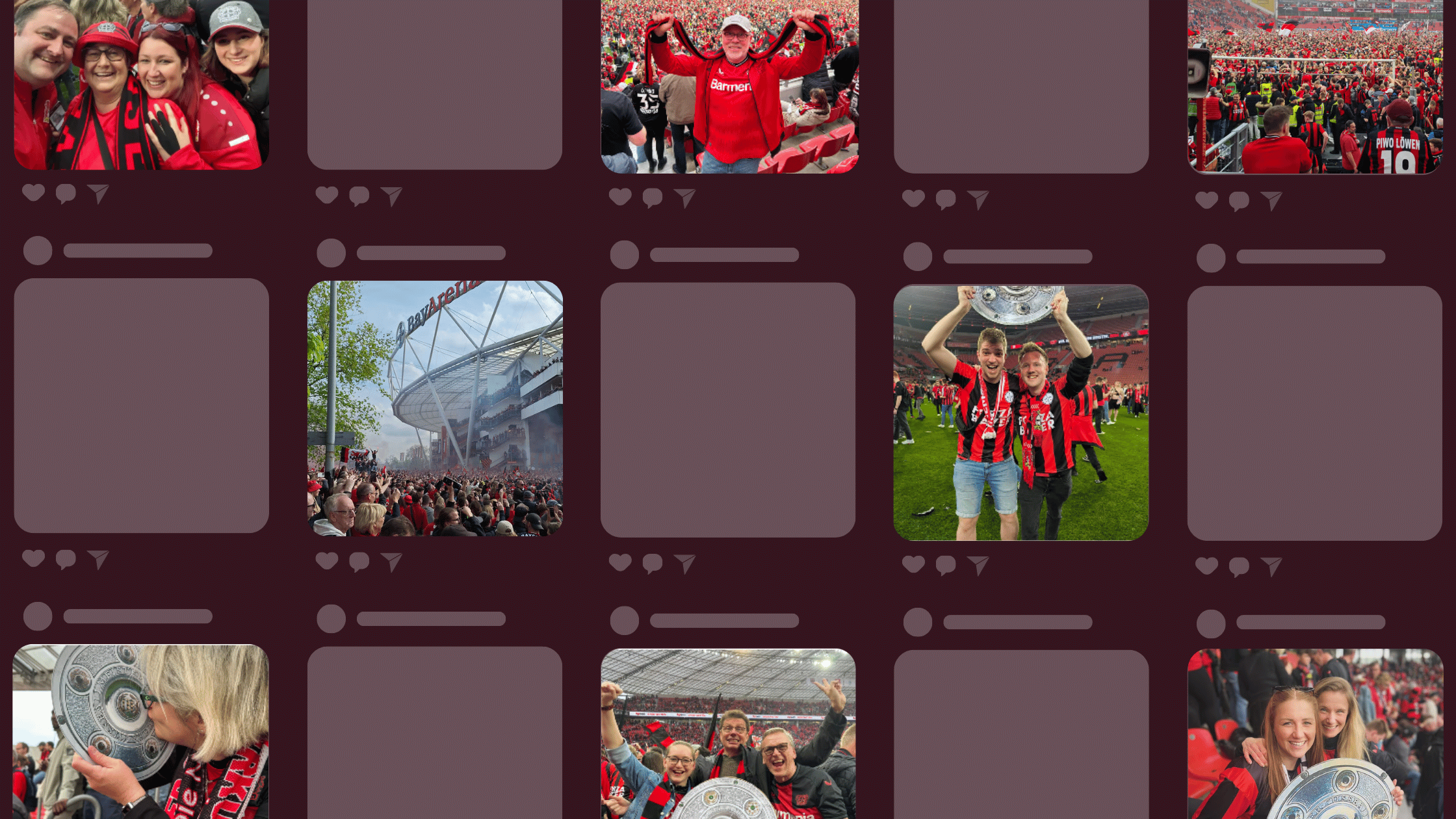
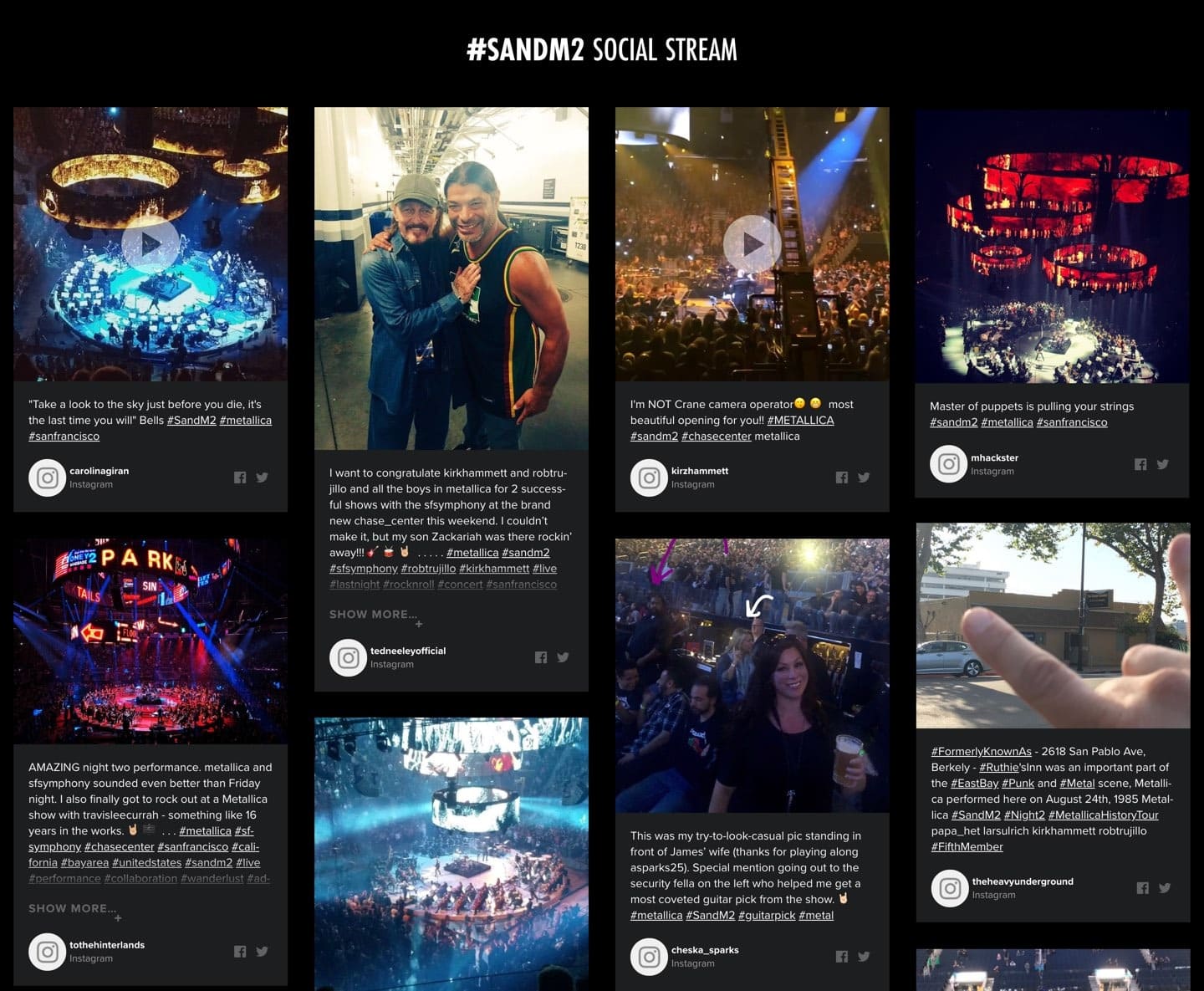
A social wall aggregates posts from multiple platforms into a continuous, scrolling display. It is the most recognizable social media feed widget for websites, and the format that universities, sports teams, and global event organizers rely on most.
Key capabilities:
- Combine Instagram, X, LinkedIn, TikTok, and other channels in one display
- Pull content by hashtag, account, or mention
- Refresh automatically as new posts publish
- Filter content by tag, source, or campaign
Where it works best: A social wall earns its place when there is a constant stream of new content to show. Static product pages do not need one. Live events, conferences, university admissions hubs, and brand campaign microsites do.
Flockler's social wall widget supports 13+ platforms and includes unlimited layouts across all plans. Brands like GoPro use it to capture live UGC during multi-day trade fairs and surface that content directly on their website.
2. Instagram Feed Widget
Best for: Lifestyle brands, retail, hospitality, and creators.
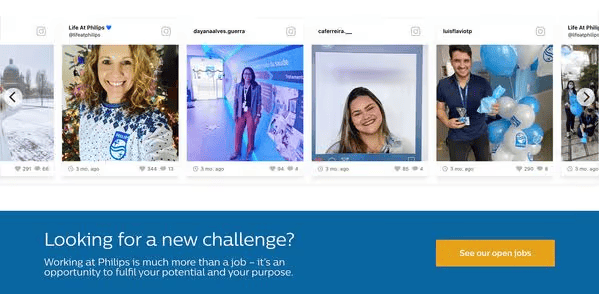
An Instagram feed widget displays posts from your Instagram account, hashtag campaigns, or user mentions. It is the highest-volume widget category for retail, fashion, food, and travel sites, where Instagram is often the strongest visual channel.
Key capabilities:
- Display feed by username, hashtag, or mention
- Show photos, Reels, and carousels in one layout
- Customize aspect ratios and grid spacing
- Combine multiple Instagram accounts into one widget
Setup considerations: Instagram requires a Business or Creator account linked to a Facebook Page for hashtag and mention feeds. The Instagram Basic Display API was deprecated in December 2024, making a maintained aggregator more important than ever, since direct integrations need to be rebuilt when platform APIs change.
3. Shoppable Social Media Widget
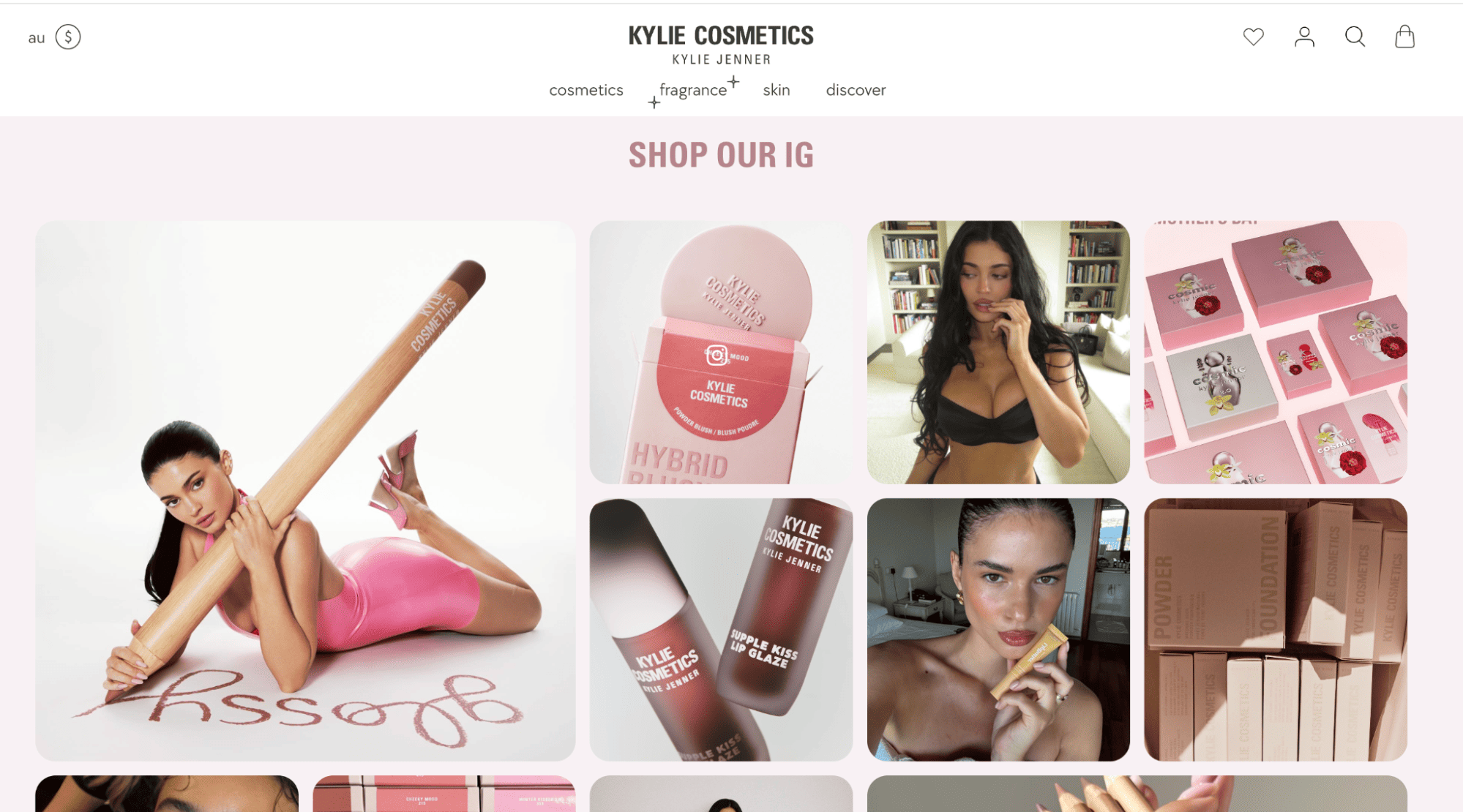
Best for: Direct-to-consumer brands, Shopify stores, retail product pages.
A shoppable widget turns social posts into product discovery. Each image or video links to a specific product, letting visitors move from inspiration to checkout in one or two clicks.
Key capabilities:
- Tag products directly on UGC images and videos
- Link posts to product pages with custom CTAs
- Support multiple products per post
- Track click-through rates per tagged item
Why it converts: Product pages with UGC see a meaningful conversion lift. Reports suggest a 103.9% lift in conversion among visitors who interact with user-generated photos and videos on product pages. Shoppable widgets capture that lift by removing the friction between content and purchase.
Flockler's shoppable feeds work with Shopify and other e-commerce platforms, letting retail teams convert customer photos and videos into revenue-driving displays.
4. Hashtag Feed Widget
Best for: Campaigns, contests, branded movements, live events.
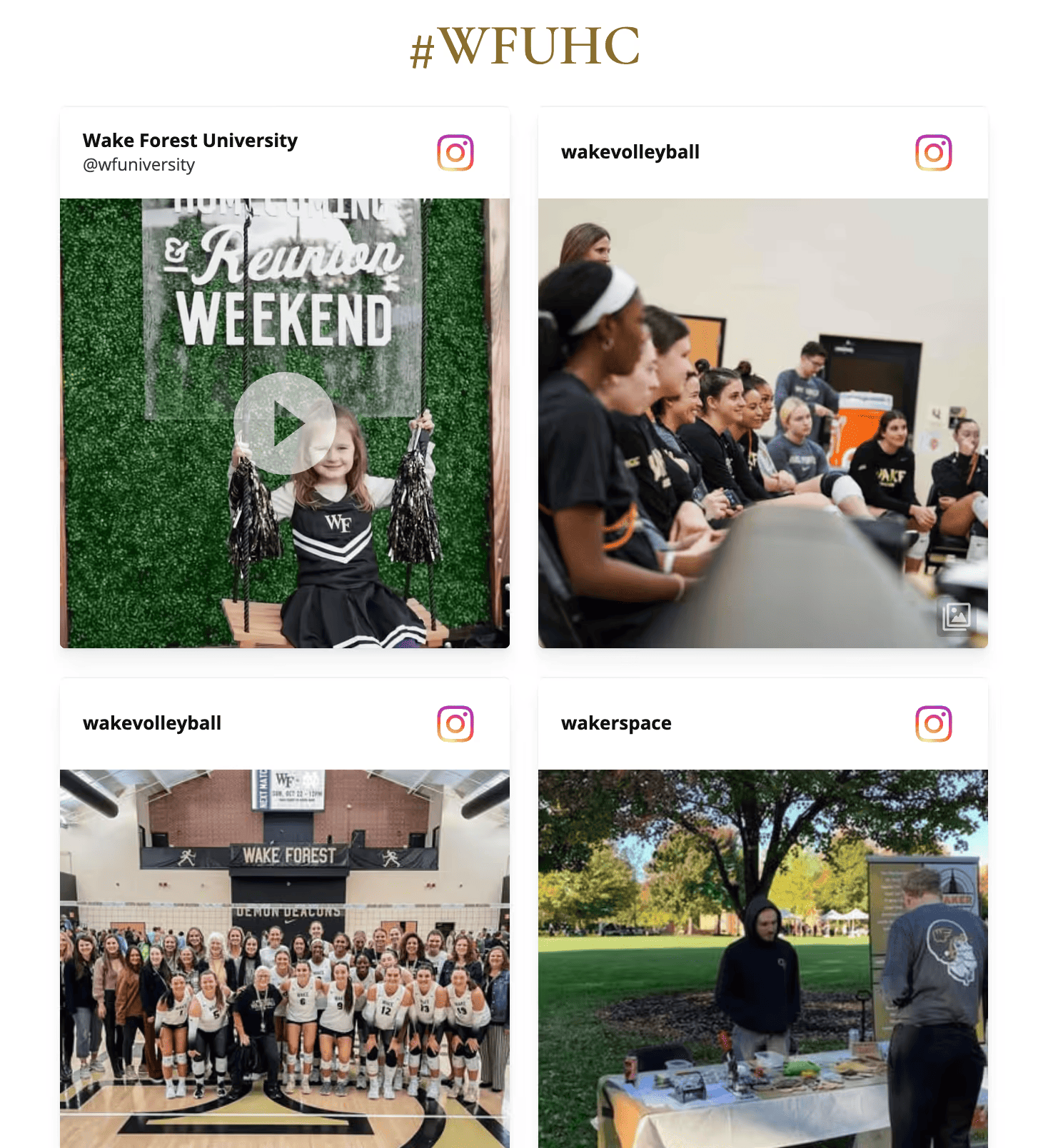
A hashtag widget pulls every public post that uses a specific hashtag across one or more platforms. It is the engine behind hashtag campaigns, where audiences contribute content using your branded tag.
Key capabilities:
- Aggregate posts across Instagram, X, TikTok, and others by hashtag
- Filter by keyword, language, or location
- Moderate content before publishing
- Combine hashtag feeds with brand-owned channels
A note on platform limits: TikTok's official API supports own-account content only, not third-party hashtag feeds. Instagram requires posts to come from public Business or Creator accounts. A capable widget provider clarifies these constraints during setup, so campaigns are scoped correctly from day one.
5. UGC Gallery Widget
Best for: Customer review pages, testimonials, social proof sections.
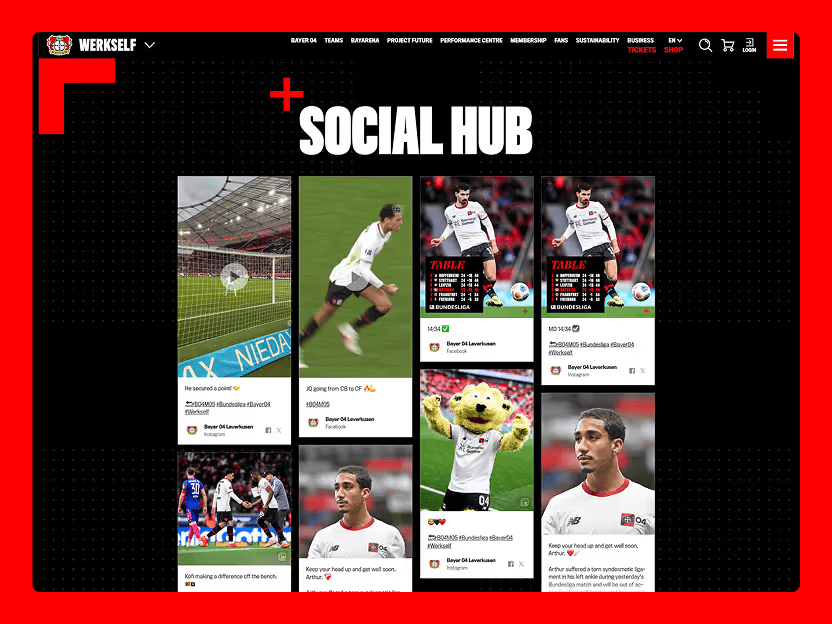
A UGC gallery widget displays user-generated content from multiple sources, including social posts, custom form submissions, and Google Reviews. It is the building block for trust pages, "as seen on social" sections, and customer story hubs.
Key capabilities:
- Combine social UGC with form-based submissions
- Collect content via QR codes at events or in-store
- Apply rights management workflows
- Display across multiple website properties
Where it fits in the funnel: UGC galleries work hardest on consideration-stage pages, where visitors are evaluating credibility. They pair well with reviews, case studies, and pricing pages.
6. Twitter/X Feed Widget
Best for: Media sites, sports teams, news organizations, B2B brands.
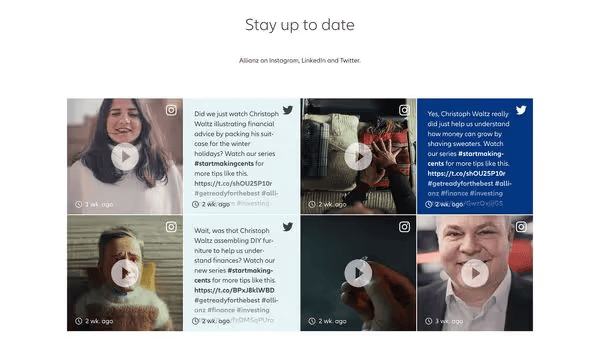
An X feed widget displays posts from accounts, mentions, or keyword searches. It is most useful where speed and recency matter, which is why media, sports, and government sites still rely on it.
Key capabilities:
- Aggregate by username, hashtag, or list
- Display threads and quote posts
- Combine multiple X accounts in one feed
- Refresh in near real-time during live events
Integration note: X's native widget supports a single account per embed and offers limited styling. Aggregator-based widgets remove both constraints and allow X content to mix with feeds from other platforms in one display.
7. YouTube and Video Widget
Best for: Education, sports, brand storytelling and software product pages.
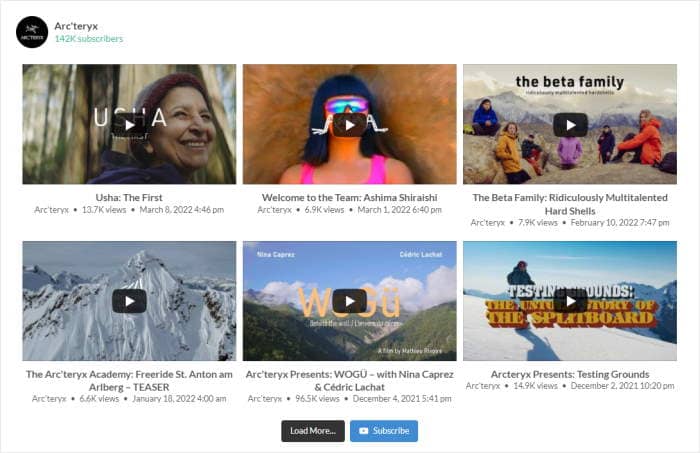
A YouTube widget displays videos from a channel, playlist, or hashtag. Video widgets keep visitors on-page longer, which directly supports SEO time-on-site signals and content engagement metrics.
Key capabilities:
- Embed channels, playlists, or specific video sets
- Combine YouTube with TikTok and Instagram Reels
- Auto-play in carousel or slideshow layouts
- Lazy-load to protect page performance
Why it earns space on a page: Higher-education sites use video widgets to surface campus tours and student testimonials. Software companies use them for product demos and customer stories. The widget itself is simple, but its impact on time on site is consistently strong.
8. Google Reviews Widget
Best for: Local businesses, service providers, agencies and hospitality.
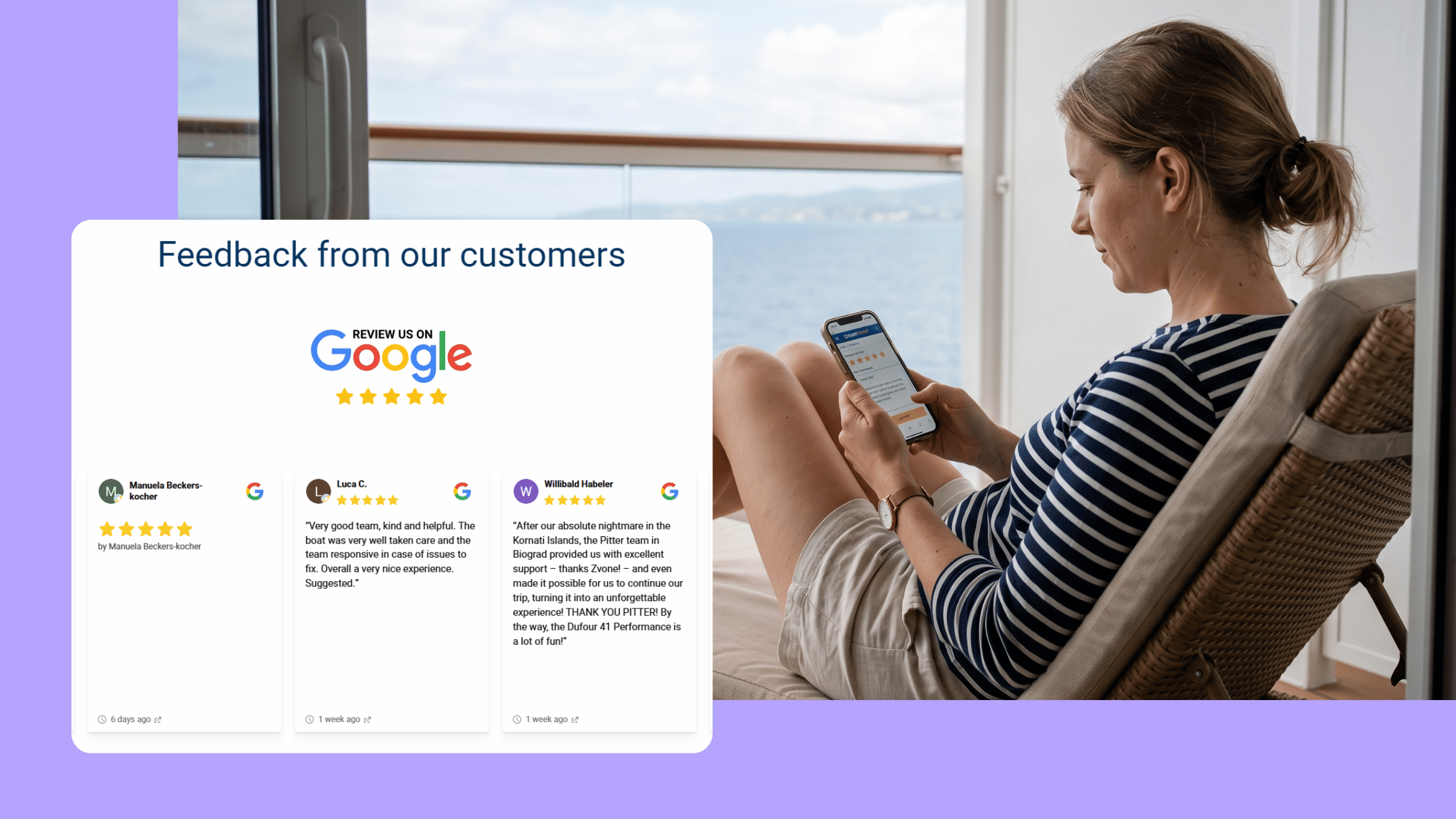
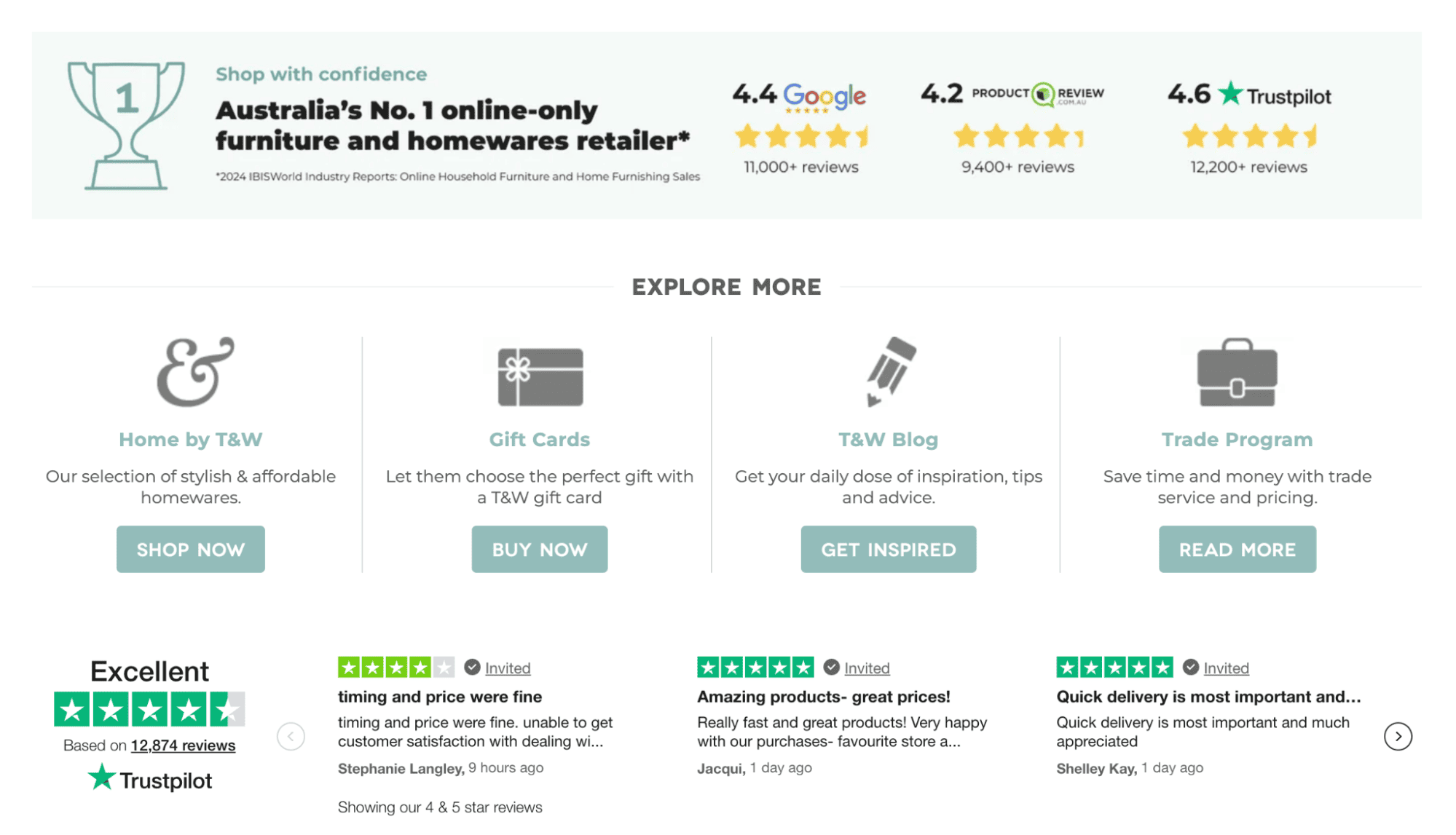
A Google Reviews widget pulls verified reviews from your Google Business Profile and displays them on your website. It is the most direct social proof widget for service-led businesses.
Key capabilities:
- Display average rating and review count
- Show full review text with author and timestamp
- Filter by star rating or recency
- Combine reviews from multiple business locations
Trust impact: According to BrightLocal's Local Consumer Review Survey, consumers consistently weigh Google Reviews more heavily than other review sources when evaluating local businesses. Surfacing those reviews directly on your site reduces the friction of off-site verification.
9. Image Carousel and Slideshow Widget
Best for: Homepages, hero sections, banners, sidebar placements.

Carousel and slideshow widgets show one piece of social content at a time, rotating through a curated set. They fit space-constrained areas where a full social wall would feel overwhelming.
Key capabilities:
- Auto-rotate or visitor-controlled navigation
- Mix social content with custom posts
- Responsive across desktop and mobile
- Match brand fonts, colors, and spacing through CSS
Where they fit: Carousels work best in hero sections, sidebar placements, and email newsletters. They are also a strong fit for digital signage in lobbies, retail stores, and event venues, where one post needs to hold attention before the next rotates in.
10. Custom API Widget
Best for: Developer-led teams, headless CMS builds and fully custom front ends.
For development teams, the most flexible option is no widget at all. An API-driven approach pulls social content into your own components, with full control over markup, styling, and rendering logic.
Key capabilities:
- Fetch posts from all connected platforms via one endpoint
- Build feeds in React, Vue, or any framework
- Integrate with internal dashboards, intranets, or apps
- Bulk-create feeds programmatically for multi-brand or multi-region deployments
Flockler's developer support: Flockler's Content API returns structured JSON data from all connected social channels via a single endpoint. It is available on Premium and Agency plans and only returns content that has passed moderation.
For organizations launching social walls across hundreds of product pages, store locations, or microsites, the Bulk Feed API supports programmatic creation of Instagram, Facebook, X, Pinterest, and RSS feeds. Enterprise teams can deploy 100+ feeds with a single API call, eliminating the manual bottleneck associated with large rollouts.
Common Mistakes To Avoid
Picking the best social media widget for your website is only half the work. These deployment mistakes recur across enterprise rollouts.
Embedding the Same Feed Everywhere
Using one feed across an entire site dilutes its impact. Product pages should show product-specific UGC. Event hubs need live hashtag feeds. Homepages work best with curated mixes. Use tag filtering and content sections to vary what each page shows.
Skipping Moderation on UGC Feeds
Hashtag campaigns pull in everything that uses the tag. Without filters or AI moderation, you risk publishing spam, competitor content, or off-brand posts directly on a high-traffic page.
Flockler's Garde AI, available on Business plans and above, automatically filters spam and brand-unsafe content before it reaches your site.
Ignoring Page Performance
Third-party widgets can slow page loads if they block rendering. Look for widgets that load asynchronously, support lazy loading, and provide content in lightweight markup. Test on staging with real-world traffic patterns before launch.
Locking Yourself In Without API Access
If your widget platform only offers embed codes, you are dependent on their layout choices and update cycles. API-first platforms give your dev team an exit option and let you build custom interfaces when business needs shift.
What Agencies and Enterprises Should Look For
For teams running widgets across many sites, brands, or clients, evaluation needs to go beyond the widget itself. The platform behind it matters more.
- Multi-site dashboard: A unified view of every property, with one-click switching between accounts. Flockler's Agency plan includes this through the My Sites dashboard.
- Role-based access: Different permission levels for content managers, junior team members, and external clients.
- Compliance: WCAG 2.1 Level AA conformance, EAA readiness, and GDPR compliance are baseline requirements for public-facing and EU-facing sites. Flockler meets all three and includes AI-generated alt text on every plan from Business upward.
- Predictable pricing: Per-feed pricing scales more predictably than per-widget or per-pageview models. Flockler's pricing (billed monthly) starts at $129/mo for Basic with 8 feeds, $229/mo for Business with 15 feeds, $379/mo for Pro with 30 feeds, and custom pricing for Premium with unlimited feeds and full API access.
Get Started With Flockler
Flockler powers all 10 widget types in this guide through a single platform. It is used by 2,000+ organizations globally, including GoPro, Harvard University, Liv Golf, BASF, and the United Nations Human Rights Office.
The 14-day free trial includes full access to Basic plan features. No credit card is required. Connect your social channels, build feeds, and embed them on websites within minutes. For Content API access during the trial, request it directly from the team.
Start your free trial at flockler.com
FAQs
What Is the Best Social Media Widget for Websites in 2026?
The best widget depends on your goal. Social walls work for event pages and campaign hubs. Shoppable widgets fit product pages. Carousels suit homepages. For enterprise teams, the most useful platforms support all widget types within a single dashboard, with API access for custom builds and AI moderation for UGC feeds.
Can I Display Multiple Social Media Platforms in One Widget?
Yes. Aggregator widgets combine Instagram, X, LinkedIn, TikTok, YouTube, Facebook, Pinterest, and other platforms in a single display. Flockler supports 10+ platforms in one widget, including Bluesky, Google Reviews, RSS, and custom form submissions.
Do Social Media Widgets Slow Down Websites?
It depends on the provider. Flockler does not set cookies or store any visitor data on your site. Images load directly from social media platforms' own servers. For performance testing, always check the widget in a staging environment before launch, since page load impact varies with the number of feeds, image volume, and your existing page weight.
Are Social Media Widgets GDPR- and Accessibility-Compliant?
Compliance varies by provider. Flockler is GDPR compliant and conforms to WCAG 2.1 Level AA, with EAA readiness and AI-generated alt text built in. The platform does not track visitors or store user data on host sites.
How Do Developers Build Custom Social Media Widgets?
Developers use a Content API to fetch social content into their own components. Flockler's Content API returns structured JSON from all connected platforms via a single endpoint. The Bulk Feed API supports programmatic feed creation, which is useful for multi-brand or multi-region deployments. Both are available on Premium and Agency plans.
Maria Prakkat is a SaaS content marketing and SEO strategist with experience across SEO, GEO, and social media aggregation. She writes in-depth, research-backed content that helps businesses understand and apply solutions like social media aggregators, UGC platforms, and content distribution tools to improve visibility and engagement. Her work focuses on clarity, relevance, and long-term impact.
Social infrastructure that scales with you.
Start your free trial, or let us show you the platform in action.