February 5, 2026
How to Use Social Proof on Landing Pages: A Complete Guide
X minute read


Social infrastructure that scales with you.
Start your free trial, or let us show you the platform in action.
When visitors land on your page, they make split-second decisions about whether to trust you. Most leave without converting. Landing pages with social proof elements like customer reviews and testimonials convert 34% better than those without. This difference exists because visitors need reassurance from people who have already taken the action you’re asking them to take.
This guide shows you how to use social proof on landing pages effectively, with specific placement strategies, proven formats, and practical examples that drive measurable results.
What is Social Proof?

Social proof is the phenomenon in which people look to others' actions and opinions to guide their own decisions. The idea is simple: if many people trust something or someone, it must be worthwhile.
You see this principle everywhere in daily life. When choosing a restaurant, you pick the one with a line out the door or the highest number of positive online reviews. This applies to online shopping as well. These are all examples of social proof influencing your choices.
Social proof on landing pages typically includes testimonials, reviews, case studies, user-generated content, endorsements, and other forms of validation from real customers or credible sources. It shows your visitors that others have made the decision you're asking them to make.
Does Social Proof Increase Landing Page Conversions?
Think about the last time you bought something online, especially from a new or unfamiliar website. You probably checked the reviews first. That instinct is exactly why social proof works on landing pages.
Landing pages with social proof convert better because they answer unspoken visitor questions: “Does this work?” “Have others tried this?” “What’s their experience like?” “Can I trust this company?” When visitors see that hundreds of others have already made the purchase or signed up, perceived risk drops.
In fact, 90% of consumers read online reviews before visiting a business, and the average consumer reads 10 reviews before trusting that business.
So, the conversion impact is substantial. Studies suggest that:
- Reviews can increase conversion rates by up to 270%
- 36% of top-converting landing pages include testimonials
This is because social proof addresses very specific visitor doubts. It could be:
- Quality concerns: Star ratings validate that your product delivers
- Relevance doubts: Industry testimonials show your solution works for people like them
- Security worries: Trust badges provide reassurance about data protection
- Risk perception: High user counts mean the crowd has validated your offering
7 Types of Social Proof for Landing Pages
Here are some of the most common and preferred types of social proof for landing pages in 2026:
1. Customer Testimonials

Testimonials are direct quotes from customers about their service or purchase experience. They are simple and effective because they let real people tell their story in their own words.
But a single sentence or two is not enough. You need to add:
- Customer's name and photo for credibility
- Specific outcomes rather than vague praise ("increased sales by 40%" beats "great product")
- Company name or job title so visitors can relate
- Natural and specific problem-solving mentions
Testimonials with photos generate better recall than text-only versions. Where you place them matters as much as what they say. Position testimonials near conversion points, such as your homepage and solution or product pages, where visitors are deciding whether to take action.
2. Customer Reviews and Ratings
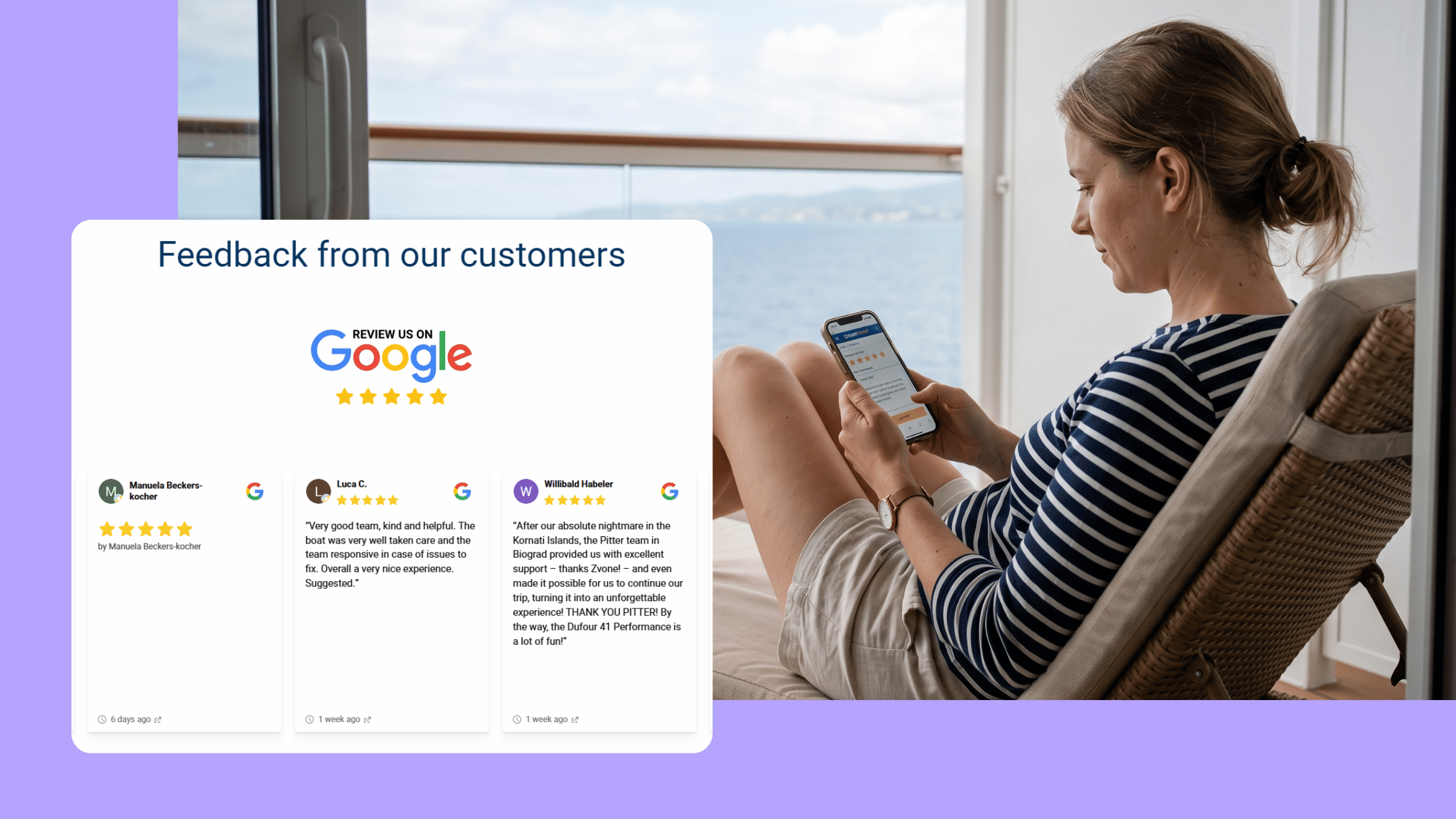
Reviews differ slightly from testimonials in one important way. They mostly come from third-party platforms, which means you cannot control or edit them. That independence is exactly what makes them more reliable to some customers.
When someone sees reviews on Google, G2, Capterra, or Trustpilot, they know those opinions came from real customers, not cherry-picked quotes from your marketing team.
The key to using reviews effectively is showing both the aggregate picture and individual voices. Display your overall star rating prominently along with the total number of reviews. A 4.7-star rating based on 1,000+ reviews carries far more weight than a perfect 5.0 rating based on three reviews.
For your specific industry, choose the review platforms your audience actually trusts. Software buyers look at G2 reviews, and local businesses need Google Reviews.
One counterintuitive finding: perfect reviews can actually hurt credibility. So, don’t try to cover up critical or negative comments. Research from Revoo found that 68% of customers trust reviews more when they see a healthy mix of ratings, including some 4-star (or even 3-star) reviews alongside the 5-star ones. A few imperfections make the overall positive picture more believable.
3. Case Studies

Case studies are the more elaborate and story-like version of a customer testimonial. It tells the complete story of how a customer solved a problem using your product and achieved measurable results. This detailed narrative works well for B2B and SaaS companies or higher-priced complex products.
A good case study follows three parts:
- The problem your customer faced
- How your solution helped
- The specific results achieved
Numbers matter. "Reduced response time by 40%" or "generated $50,000 in additional revenue" provides concrete evidence.
Case studies are meant for more serious buyers who are further down the buyer’s funnel. Place them after your main value proposition, or create dedicated pages with snippets of it on your home page.
4. User-Generated Content

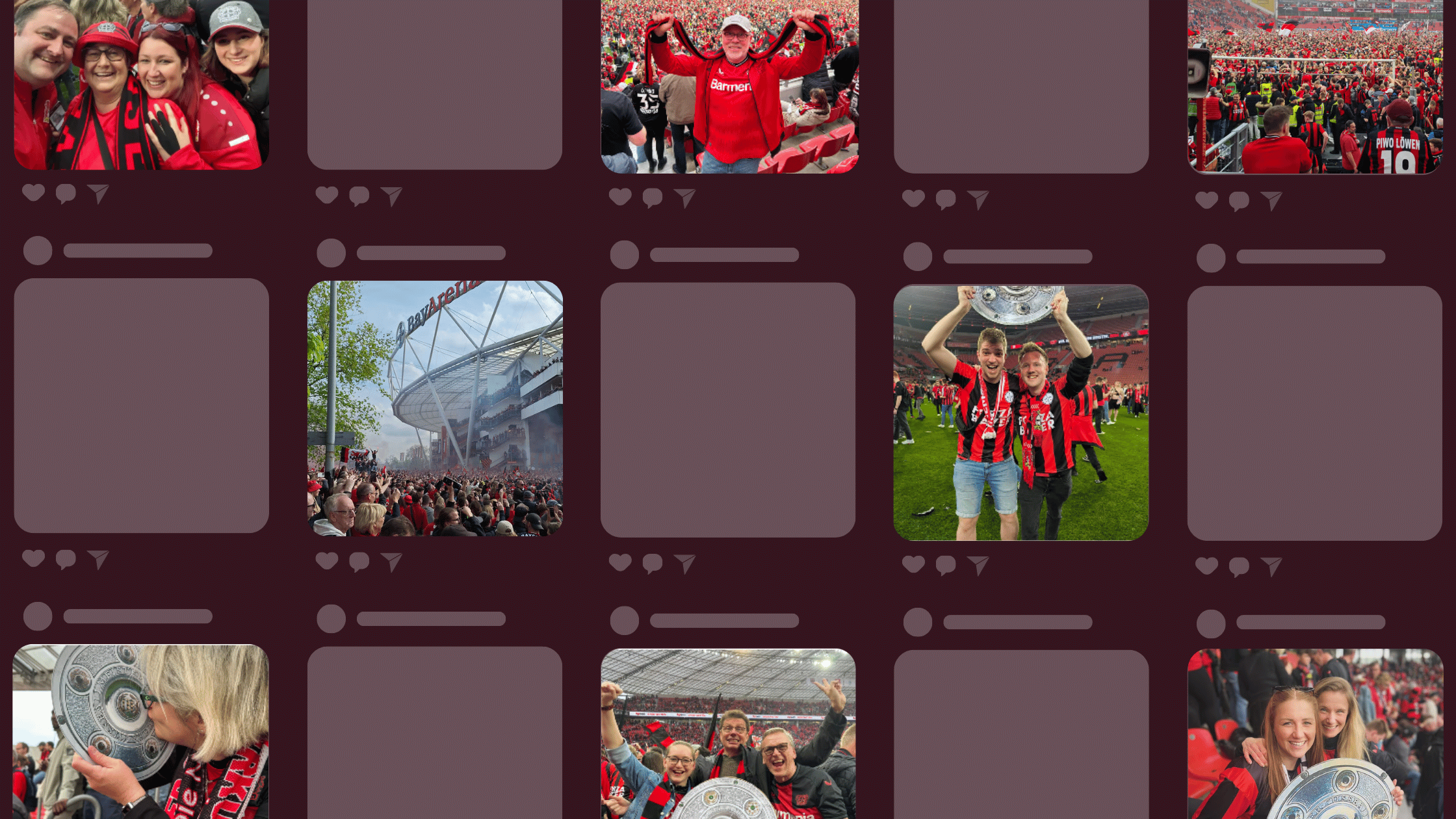
User-generated content includes photos, videos, and social media posts created by customers. This feels authentic and more engaging to site visitors because it is not created solely for marketing purposes. 79% of people say UGC impacts their buying decisions, making it an ideal type of social proof for many brands.

Social media feeds showing customer posts work well on landing pages. Visitors scroll through authentic experiences from real people. You can create branded hashtags to make collection easy. Create a hashtag for your product, encourage customers to use it. You can repost it to your own social media account and feature it on your website.
5. Trust Badges and Certifications

Trust badges show visitors that your site is secure and legitimate. These small visual elements address concerns about safety and professionalism:
- SSL certificates and PCI DSS compliance for payment security
- Payment processor logos (Visa, Mastercard, PayPal)
- Security badges (Norton, McAfee)
- GDPR and HIPAA compliance
- Industry certifications (ISO, Google Partner, BBB)
Place these on your home page, near forms where visitors enter personal information and on product pages or images.
6. Client Logos and Usage Numbers

Displaying logos of well-known companies that use your product provides instant credibility. When visitors see recognizable brands as your customers, they assume your solution must be trustworthy and capable. The best place to showcase this is on your home page, so first-time visitors can see it.
Usage numbers work similarly. Statements such as "Join 50,000+ businesses" or "Trusted by 2 million users" indicate that many others have validated your offering. This reduces perceived risk through the power of the crowd.
7. Expert Endorsements and Social Media Metrics

Industry expert or influencer endorsements add credibility through association. Include the expert's credentials, photo, and specific quote about your product rather than generic praise.
Social media engagement also serves as social proof. Displaying follower counts and embedding live social feeds shows active community involvement, highlighting brand recognition and ongoing customer engagement.
This is just the tip of the iceberg. Social proof can also include hashtag campaigns, social sharing buttons, media mentions, awards and recognition and more.
How to Collect Social Proof?
You can collect social proof for landing pages in many ways. The method depends on the type of social proof you are trying to collect. Here are a few ways to do this:
Send Feedback Emails
Send review requests 3-7 days after delivery or service completion. Include direct links to your review platform and ensure forms work on mobile.
Personalize Your Outreach
Reference the specific product bought or service used. Explain how feedback helps other customers. This increases response rates.
Use Satisfaction Surveys
NPS surveys identify happy customers. Follow up with people who rate you 9 or 10 and ask for detailed testimonials. This is ideal for large B2B companies. If not, you can simply ask them for a video testimonial and have them answer a few questions. You can then add this to your landing pages.
Monitor Social Media
Create social media and hashtag campaigns. Encourage happy customers to participate by offering a reward or discount for a social media post using the hashtag. Then, track the branded hashtags and mentions. Request permission to feature positive posts on your website if needed.
How to Integrate Social Proof on Your Website
Adding social proof to your landing pages is straightforward. In most cases, you don’t need any technical expertise.
1. Embedding Testimonials and Reviews
You can add testimonials directly through your website builder or CMS. Most platforms, such as WordPress, Shopify, and Webflow, offer built-in modules for testimonial sections.
Review widgets from Trustpilot, Google Reviews, or G2 are embeddable. These widgets automatically pull your latest reviews onto your website.
2. Integrating Social Media Feeds
The easiest way to add a social media feed wall to your website is by using a social aggregator tool. You can embed social feeds on your website, at events, and in digital signage using this single tool.
Flockler offers easy workflows for adding social feeds from multiple social and content platforms with built-in analytics, content moderation, customization, and a UGC rights management tool.
Here is how to add social proof with Flockler:
Step 1: Create a Flockler account or sign up for the 14-day free trial, which offers access to all features with no credit card required.
Step 2: Connect your social platform from which you want to collect social proof. Flockler supports all popular social platforms. This includes Instagram, LinkedIn, TikTok and many more. Enter the hashtag, keyword, or handle name to collect social proof posts.

Step 3: Add moderation for your embedded social feeds with the following options:
- Manual moderation: Requires your approval every time a new post goes live
- Automated moderation: Automatically refreshes your embedded wall content every few minutes
- AI moderation: Flockler's Garde AI lets you remove any off-brand posts from your social wall
Step 4: Choose from Grid, Carousel, Social Walls, or Slideshow layouts. Flockler also offers custom CSS for advanced customization.

Step 5: Copy your embed code and paste it into your website CMS. If you are using WordPress, this step is much easier. Flockler’s WordPress plugin lets you add the feed widget in just a few clicks.

3. Adding Trust Badges
Upload trust badges to your website and place them near forms or checkout areas. Security providers offer official badge images you can download.
Common Mistakes to Avoid in Social Proofs
While adding social proof to your website and landing pages can position your brand as trustworthy and reliable, there are a few mistakes to steer clear of:
- Using fake testimonials. It damages credibility when visitors detect them. Use real customer feedback and nothing else
- Poor placement wastes good social proof. Position validation near the top, next to calls to action, not where engagement is lower.
- Generic testimonials that could apply anywhere fail to convince. Use specific examples with concrete results. Ask your customers specific questions to get detailed testimonials.
- Test on mobile devices. More than 60% of traffic comes from phones. Social proof that doesn't display well on mobile misses most customers.
- Avoid overloading your page. Quality matters more than quantity. Select your most compelling elements.
- Keep information current. Outdated content signals stagnation.
Measuring Social Proof Effectiveness
Test your social proof to determine what works for your audience. Run A/B tests comparing pages with and without specific elements. Try different types of social proof against each other. The data will show you which approaches drive the best conversion rates.
Use heatmaps to verify visitors actually see your social proof. If important testimonials sit below where most people stop scrolling, move them higher on the page.
Compare formats through testing. Video testimonials versus text versions. Client logos in different positions. Review display styles. Let the results guide your decisions rather than assumptions.
Social media walls are one of the most effective forms of social proof for landing pages. With an automated feed, content updates automatically, keeping your visitors engaged with minimal effort.
If your brand’s social presence is strong, a combined social media feed on your website is the best approach. Flockler lets you create a multi-platform feed on your website. Your customers can experience your brand in full on your landing page without going elsewhere.
FAQs
What is Social Proof on a Landing Page?
Social proof includes testimonials, reviews, social media walls, case studies, and user-generated content. It shows site visitors that others have successfully used your product.
How Does Social Proof Increase Conversions?
Social proof builds trust and reduces purchase anxiety. When visitors see others have taken the action you're requesting, they feel more confident taking the same action.
Where Should I Place Social Proof?
Position social proof near decision points. Place elements above the fold for immediate credibility. Add testimonials next to signup forms or purchase buttons and social media feed walls on the home page. Use different types throughout the page to support visitors at different stages.
What Works Best for B2B Landing Pages?
B2B pages perform well when they include case studies showing ROI, testimonials from similar businesses with company names, client logos from recognizable brands, and reviews from platforms like G2 or Capterra.
Can I Use Social Media Feeds as Social Proof?
Yes. Platforms like Flockler let you embed content from Instagram, TikTok, Twitter, and other channels. Live-updating feeds show ongoing engagement and real customer experiences to your visitors.
Maria Prakkat is a SaaS content marketing and SEO strategist with experience across SEO, GEO, and social media aggregation. She writes in-depth, research-backed content that helps businesses understand and apply solutions like social media aggregators, UGC platforms, and content distribution tools to improve visibility and engagement. Her work focuses on clarity, relevance, and long-term impact.
Social infrastructure that scales with you.
Start your free trial, or let us show you the platform in action.