February 5, 2026
10 Real Estate Social Media Strategies Every Agent Should Use in 2026
X minute read


Social infrastructure that scales with you.
Start your free trial, or let us show you the platform in action.
You might be getting likes and followers, but if leads aren’t coming your way, your social media strategy isn’t working.
As a real estate agent, your social media presence should focus on relationship-building. It should feel intentional and personal.
The right strategy helps people remember you, trust you, and reach out when the timing feels right.
That’s why visibility alone isn’t enough anymore. How people discover, evaluate, and remember agents has changed.
In 2026, shift your focus from followers to engagement, from announcements to storytelling, from local to hyper-local, and from algorithms to AI-search positioning.
In this blog, learn 10 such practical real estate social media strategies that will actually help increase engagement rather than just views.
Top 10 real estate social media strategies for 2026
1. Build clear content pillars
For content pillars, Mike Sherrard, one of the top social media coaches for realtors, suggests the 80/20 formula. 80% of your content should focus on real estate, and 20% of your posts should be about your passions (for your personal brand).
For professional posts, some of the effective content pillars are:
- Day-to-day real estate life: closings, inspections, appraisals, open house prep, transaction milestones
- BTS client work: what you look for during inspections, issues that delay closings, and how you protect clients’ interests
- Practical real estate insights: simple buyer and seller tips, common mistakes, and quick explanations shared during your day
- Personal & relatable moments: morning routines, getting ready for work, everyday life alongside real estate
- Local lifestyle & community: favorite cafés, local spots, daily experiences in the area you serve
For 20% of your content, if your personal interests are beauty, fashion, or travel, create content pillars based on them.
2. Think about engagement posts as much as you do about content
Today, social media engagement is not limited to followers; a single reel can sometimes drive significant traffic and engagement to your profiles.
The idea isn’t to ignore regular content planning, but also to focus on engagement-magnet content. This type of content is often impromptu, so you need to leave space in your calendar to track upcoming trends and post spontaneously when the moment is right.
So while investing efforts into content pillars and strategy, it is a must that you plan:
- Stories: Post stories every day with unedited updates, quotes, news, polls, or reaction stickers, and repost.
- Comments: Continuously engaging with people over comments to establish your presence.
- Short videos: Use trending music or videos and recreate them to gain attention
Stefanie Lugo, a real estate agent, shares, “I tested this for a couple of days, and I had almost 10x'd my engagements just with this one simple trick.”
Creating such content doesn’t require much effort and investment; it should feel simple and unplanned. The goal is for it to come across as an invitation for your viewers to engage with you.
3. Establish a personal brand (this is the multiplier)
A personal brand is what sets you apart from all the realtors on social media. It gives you a competitive edge, which makes it one of the most important social strategies for 2026.
With AI-generated and generic content all around, brand identity has become the differentiator. You need to give people a reason to remember you.
A personal brand tells your story, which helps you create an emotional connection with your target audience.
When people retain your name, they will also refer you even if they haven't worked with you before. They've seen your online presence, understand what you stand for, recognize your work quality, and recognize your unique value proposition, and then they reach out to you.
Bryce & Stefanie Lugo’s page is the best example of personal branding in real estate currently. They consistently share a mix of personal and professional insights on their page, which helps build an emotional connection with their followers. This approach allows their community to trust them with their aspirations.

Over time, personal branding compounds. It leads to repeat clients, more referrals, and a higher lifetime value per customer.
Instead of constantly chasing new leads through ads or cold outreach, agents with a solid brand start seeing people come to them directly.
4. Storytelling beats announcements
Highly produced posts are often ignored because people subconsciously label them as ads or AI-generated content. What actually works now is content that feels real, human, and relatable.
Instead of announcing wins like “Congrats to my buyer” or “Just sold,” focus on telling the story behind the moment.
A short video featuring your actual clients describing the problems and expectations they had while scouting their place has greater impact than a polished announcement.
Storytelling works because people see themselves in it. When you share how a buyer struggled for months, moved from another country, or had a deal fall through before finally succeeding, it resonates far beyond that single transaction.
Some examples of such content include:
- Behind-the-scenes moments from daily real estate work
- Turning “congrats to my buyer” posts into short client journey stories
- Turning “congrats to my seller” posts into stories about the process
- Sharing real challenges, delays, or setbacks during a deal
- Documenting open house prep, inspections, negotiations, and closings
- Explaining what actually happens at each stage of a transaction
- Highlighting localities and personal visits
You can shoot these videos on your iPhone in vertical mode and publish them without any polish.
Dawn McKenna Group uses a confidence-driven storytelling style that mixes luxury listings, team moments, and major wins to establish leadership in the market.

5. Stand out with hyper-local positioning
80% of your content strategy should not focus on 1-5% of people actively searching for houses today. The remaining 90-95% of people who aren’t actively searching for houses still pay attention to local life.
This includes topics such as new cafés, popular pizza spots, local events, and the unique experience of living in a particular neighborhood. When you consistently talk about what’s happening in your area, you naturally become familiar with them.
This is also something that AI is looking for. Going hyper-local also means getting very specific. Instead of broad market advice, it’s about drilling down to neighborhoods, pros and cons of living there, north versus south areas, or what makes one block different from another.
This kind of geo specific content helps you stand out as a specialist, not a generalist, and that’s something both people and AI look for.
Christina Weiss’s Instagram page follows a storytelling style that shows real life, local knowledge, and personality to build trust.

6. YouTube is the biggest long-term asset
YouTube is the biggest long-term asset, and the reason is simple. Videos don’t just disappear. Unlike short-form content, where you post something, and it’s gone in 24 to 48 hours, YouTube keeps working for you.
AI platforms such as Google Overviews, ChatGPT, and Perplexity consider YouTube a credible source authority. Realtors must maintain a strong presence on YouTube to train these AI platforms to deliver your preferred perspective to your audience.
The other big reason YouTube wins is trust. Short-form content might get someone to notice you, but long-form video is where people actually get to know you.
When someone watches you talk for 10, 15, or 20 minutes, they start to trust you. They feel like they know you. And when it comes time to buy or sell, they don’t interview five agents. They come straight to you.
And lastly, YouTube drives owned traffic. You can send viewers to guides, email lists, and booking links. That’s how one video turns into leads, trust, and business long after you hit publish.
Armando & Pearl Nava follow a real-life, behind-the-scenes storytelling approach that blends family moments with homebuilding and real estate work.

Recommend read: Embed YouTube Channel on Website: Key Steps & Benefits
7. Be strategic with your Facebook personal profile
This is actually the most important strategy for real estate agents. Pasi Poutanen, a personal branding strategist for Realtors, says this is where many people will get their fastest results with very little time and minimal effort.
Now, the reason why a Facebook personal profile is so powerful is that most of your business as a real estate agent comes from referrals and your sphere of influence. 33% of listings come based on referrals.
Many people prioritize acquiring new reach and leads, but they often overlook that most of their business comes from referrals within their sphere of influence. That’s why it’s important to stay top of mind with friends, family, and other people who already know you.”
You don’t need a fancy strategy to build a Facebook social profile. Follow an 80-20% approach and post consistently around your content pillars and lifestyle.
Recommended read: How to Embed Facebook Videos on Your Website (Step-by-Step Guide)
8. Message people who already engage with your content
One effective way to generate more business from social media is to deepen relationships with your followers.
Instead of sending a generic automated email newsletter campaign, create a personalized message template to send warm messages to everyone who engages with your content.
Your first message should be subtle and focus on introducing yourself. It should not feel pushy. Passi suggests using this template:
“Hey Jack, I know you’re probably not looking to move, but you always seem to know someone who is. I’ve got a new listing about to hit the market, and it’s going to move fast. Do you think it might be worth sharing this with someone in your network?”
From there, the conversation starts. Jack might say he’s looking to move, or his aunt is, or he knows a friend who is. The whole point of this message is referrals. Every person knows 10, 20, or 30 people, so the opportunity is always there.
You can simply copy this template or use ChatGPT to generate 10-20 alternatives, giving you more options for different people.
9. Post Instagram and Facebook stories consistently
It is super important for you to consistently post stories on Facebook, TikTok, and Instagram. It keeps users in a content loop and keeps you top of mind.
Here are some content ideas to post on your stories regularly:
- Behind-the-scenes: Showing day clips, or open house prep, or setup, or office day moments, or quick end-of-day recaps.
- Lifestyle & personal: Morning routine before work or Coffee breaks between showings or Gym/walks/hobbies, or Work-from-café moments
- Property-focused: Quick walkthrough of a new listing, or Favorite feature of a property, or Before-and-after staging shots, or “Would you live here?” clips
- Polls & engagement: Buy vs rent poll, or House A vs House B, or open concept vs closed floor plan, or “Thinking of buying in the next 12 months?”
- Local & community: New cafes or restaurants in town, local events and festivals, best coffee/pizza spots, or Neighborhood highlights
- Soft authority: One quick market insight, or a common buyer/seller mistake, or “One thing people don’t know about this area,” or FAQ-style answers
Consistent stories should not be about perfection. They’re about staying visible, starting conversations, and making it easy for people to message you when the timing feels right.
10. Use UGC content for engagement and credibility
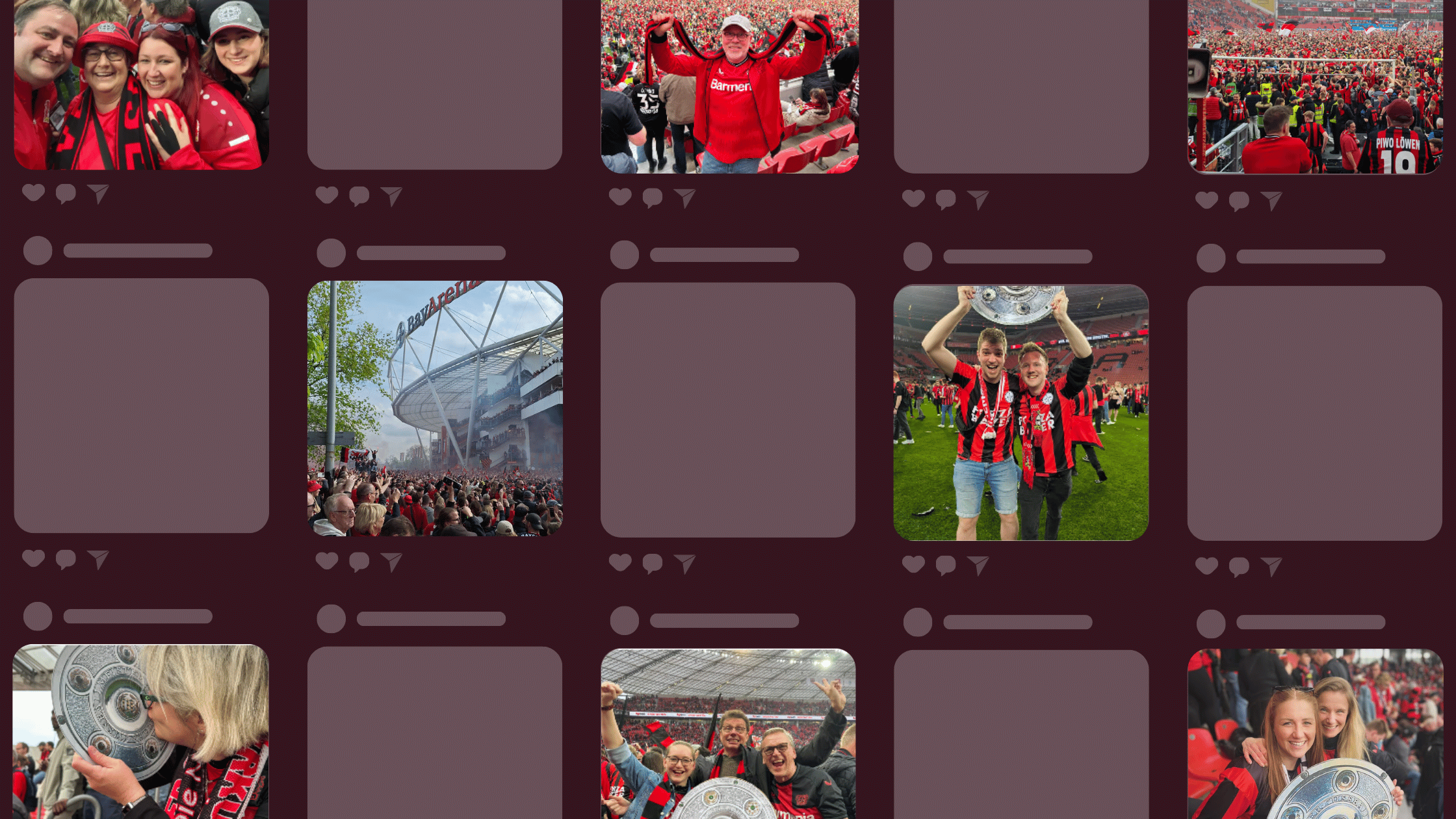
User-generated content is more trustworthy than any other content. The reason is simple: it features your real client and their genuine opinions.
In real estate, UGC can be anything created around your clients, team, or even locals. The goal is for your social page to showcase genuine feedback about your services.
Some of the key content examples for real estate UGC include
- Closing day selfies or videos
- Neighborhood shoutouts
- Local resident opinions
- Before and after moving posts
- Open house story and event reposts
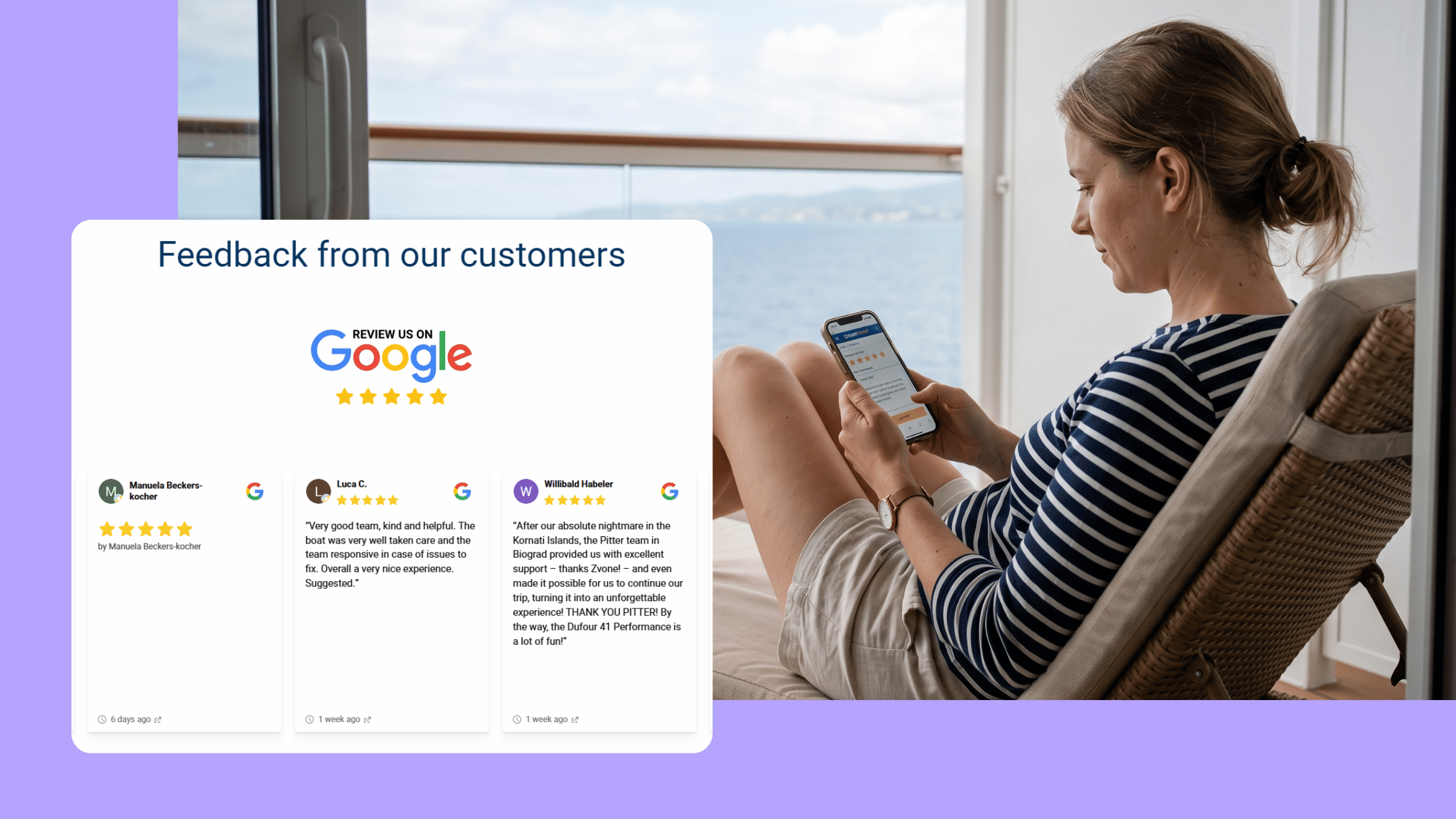
- Social proof, such as Google reviews or client referrals
You can also use this single theme across your page to build a story and create an emotional connection with your audience.
To sum it up
Realtors need a completely different approach than D2C marketers for social media marketing. The goal should not be to increase followers but to build an engaged community presence.
Keep your social media presence focused on buyers whenever possible. Share meaningful content, such as UGC and hyper-local content, using short videos and stories.
You should remain consistent with your social media calendar and, alongside all real estate content, share a bit about your personal interests to build an emotional connection.
FAQs
How often should real estate agents actually post without burning out?
Real estate agents should aim to post 3 to 4 times a week. Consistency helps attract attention and engagement to your posts and accounts. It also signals that you are actively offering services. Along with posts, also make sure you regularly post stories, reply to comments, and create trending TikToks/Reels.
How do you balance personal content without hurting professional credibility?
The 80/20 rule is recommended by top real estate coaches to balance personal and professional content. 80% of your social media content should focus on real estate, so build content pillars such as UGC, local life, listings, and more. 20% of your content should be about your true passions. Discussing your personal interests positions you as a differentiator in the market.
Why does engagement matter more than follower count in real estate?
Engagement, not followers, matters in real estate because the goal is not to become an influencer but to generate more leads. In real estate, relationships drive revenue, so you should focus on gaining an engaged community, even if it is 1000 followers. To get engagement, publish posts and stories consistently, engage in DMs and comments, and use trending short video formats.
Avika Dixit is a B2B SaaS and e-commerce writer with expertise in social media marketing, content strategy, and customer engagement. Over the past three years, she has created long-form, SEO-driven content that helps businesses understand and leverage tools like social proof platforms, UGC aggregators, and digital experience solutions.
Social infrastructure that scales with you.
Start your free trial, or let us show you the platform in action.