January 6, 2026
What Is Social Proof: Meaning, Types & Marketing Use
X minute read


Social infrastructure that scales with you.
Start your free trial, or let us show you the platform in action.
It’s common knowledge that human beings have evolved as social creatures who have learned to trust others’ opinions before making their own decisions. This phenomenon is called social proof, and it influences everything we do in the modern world, including our purchasing decisions. 92% of consumers check online reviews before making any purchasing decisions, whether it’s buying a product, a movie ticket, or software.
In this blog, we’ll explore the concept of social proof and how you can harness it to create effective marketing.
This polished guide unpacks the meaning behind social proof, the different ways it occurs, and how you can flawlessly implement social proof from social media to elevate your marketing.
What is Social Proof? Why is it important?
Social proof is a social and psychological phenomenon in which people look for others' opinions and behavior to guide their own decisions and actions.
In the context of purchasing, social proof is undeniably at the core of every decision we make. Today’s markets are extremely crowded and full of choice, with no clear indication of what is good. In the face of such uncertainty, people like to feel like they are effectively using their money. A quick shortcut to achieve this is to follow word-of-mouth and reviews from trusted sources, as they help reduce risk and speed up decision-making.
This is why a restaurant with full tables must be worth eating at, a product with thousands of five-star ratings must be worth buying, a movie with rave reviews must be worth watching, and a brand that real people praise online must be credible.
What are the different types of online Social Proof
Social proof for purchasing manifests in diverse forms, each with unique strengths and applications. Online social proof is one of the most potent forms in today’s world. Understanding these different types helps marketers strategically deploy the right evidence at the right moment in customer journeys.
Customer Reviews and Testimonials

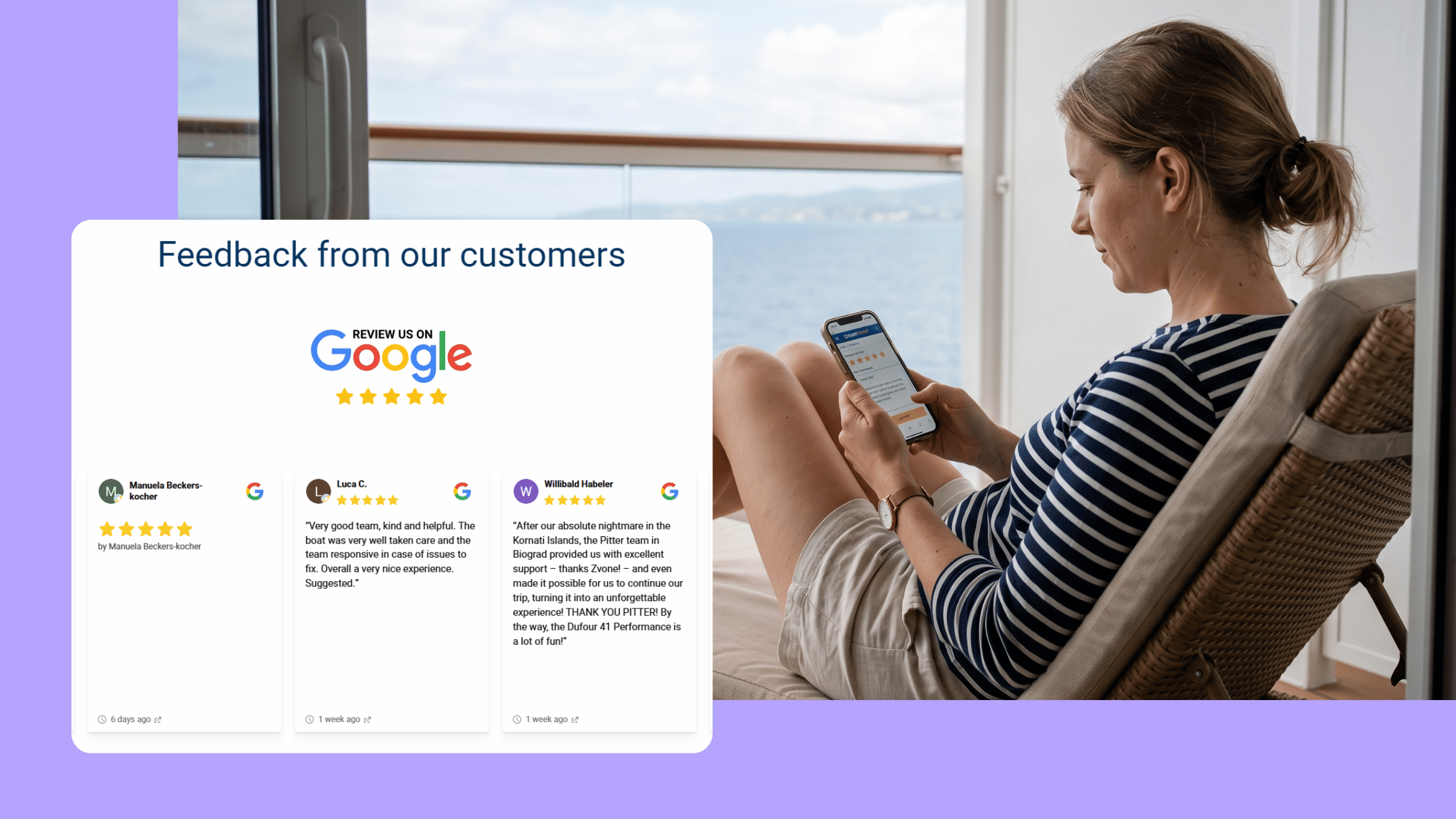
Customer reviews, testimonials, and numbered or star ratings remain among the most effective social-proof tools because they come directly from real users rather than brand-crafted messaging. When shoppers see honest feedback, including pros and cons, it builds trust and reduces hesitation. This applies to any industry you serve, including B2C and B2B.
UGC & Social Media Proof

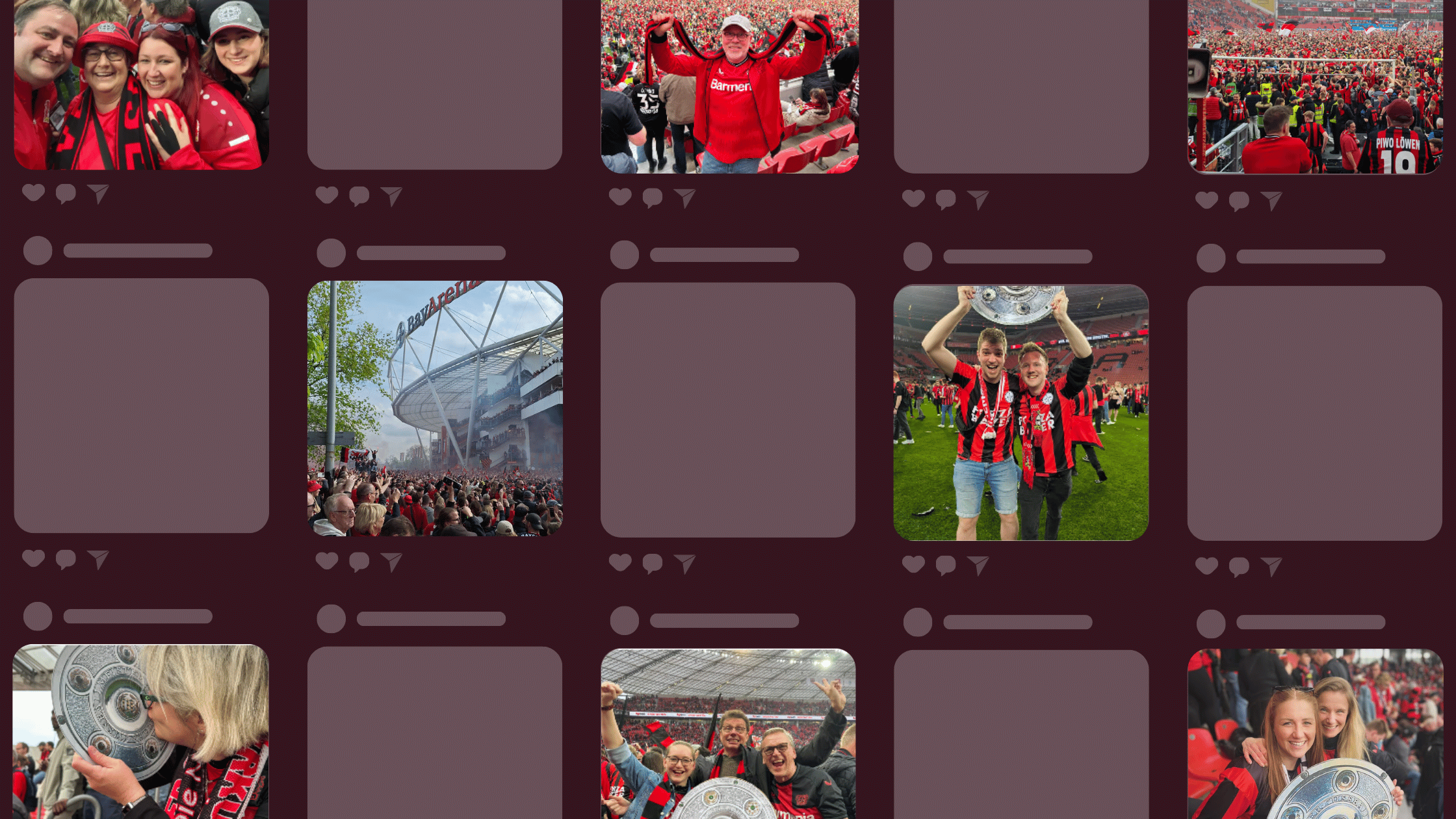
User-generated content (UGC), such as photos, videos, and social posts from real customers who use, review, and talk about your product, serves as powerful proof that people are actively using and endorsing your products or services. This content is organic and unpolished, adding a layer of authenticity and trust compared to generic marketing visuals or overly polished royalty free images often used in traditional campaigns. Embedding UGC in social walls, product pages, or newsletters keeps content fresh and relatable, helping convert visitors into engaged, trust-driven customers.
Popularity Signals, Trends & Herd Behavior

Displaying popularity indicators such as the number of reviews, total users, follower counts, or recent purchase activity taps into our natural tendency to follow the crowd when we’re uncertain. When many people have already endorsed or bought a product, newcomers often see it as a safe bet.
Adding urgency to this(for example, “limited stock” or “hot right now”) can further accelerate conversions.
⚠️Important: These signals must always be accurate and honest. If people discover that claims have been inflated or manufactured, this can irreversibly damage public trust, leading to the opposite effect.
Expert & Influencer Endorsements

Endorsements from respected industry experts, influencers, or thought leaders give brands an authoritative stamp of approval. For newer or lesser-known brands, an endorsement from a credible influencer can boost popularity and fast-track trust and adoption. When these endorsements are contextually relevant to your brand’s values and target audience, they add depth and legitimacy, especially when you combine them with other forms of social proof.
Key benefits of online Social Proof
For marketers, online social proof isn't a nice-to-have marketing tactic; it's a fundamental aspect of modern marketing and helps drive trust, conversions, and long-term brand growth. Here are some of the key benefits that help justify investment in social proof strategies and programs:
Builds Trust & Reduces Purchase Anxiety
Social proof lowers perceived risk by showing that other customers had good experiences. This reassurance helps potential buyers feel confident, especially when evaluating unfamiliar brands or high-priced items. In online contexts where shoppers can’t physically inspect products, evidence from real users helps close the trust gap.
Boosts Conversions & Sales
Testimonials, reviews, and public social validation nudges undecided buyers toward action. Studies show that embedding social proof on product or landing pages can significantly increase conversion rates, turning browsers into buyers.
Enhances Brand Credibility & Authority
User-generated content, influencer endorsements, and social signals together build a brand’s reputation and perceived expertise. Each positive proof point reinforces others, creating a “halo effect.” Once trust is established in one area (e.g., service quality), it extends to other brand attributes as well.
Improves Engagement, Reach & SEO Value
Social proof encourages user participation, sharing, and word-of-mouth, turning satisfied customers into active advocates. Reviews, testimonials, and UGC also add fresh content to websites and social channels, boosting SEO, organic reach, and long-term discoverability.
How to implement online social proof: a detailed guide for marketers
We’ve created an actionable guide to help you harness your social proof. We’ll use Flockler as our main social proof software in the demonstration. To get started with Flockler, sign up for a free 14-day trial.
Start with Reviews, Testimonials & Case Studies
Start by collecting verifiable customer reviews and testimonials soon after purchase or after a positive interaction. Make it easy for them to submit feedback with one-click rating tools or simple forms. Build detailed case studies and feature ratings from trusted review platforms for B2B or high-consideration offerings.
Create and embed social media feeds & UGC Walls.
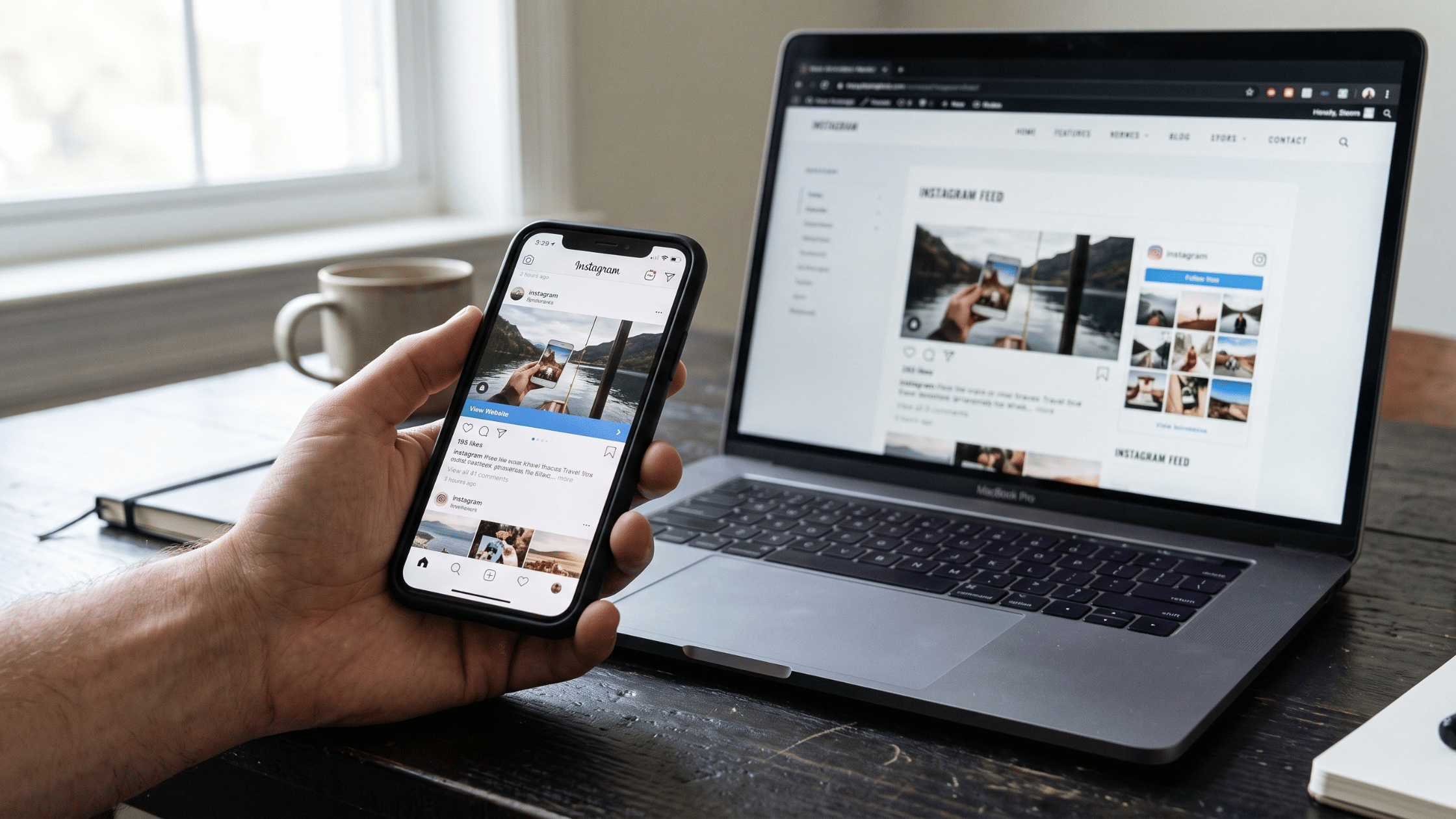
Display real-time social media and user-generated content (UGC) on your website, in emails, or on digital signage to demonstrate active engagement and community voices. You can showcase UGC from platforms such as Instagram, X (Twitter), TikTok, YouTube, LinkedIn, Facebook, and many more, based on where your customers are talking about you.
Here’s a quick guide on how you can create a social media wall on the Flockler dashboard:

1. On the dashboard, choose your required social media platforms and create a dynamic social wall.

2. Choose a visually appealing and relevant layout and customize the way your social media feed looks.

3. Moderate content that goes into this wall, and choose and filter out by hashtags and AI-based filtering methods.
4. Embed these feeds on high-traffic or decision-critical pages such as your home page, product pages, checkout page, or digital signage to maximize impact.
Combine different types of online social proof and track success
Layer different proof types, such as reviews, UGC, expert quotes, and popularity indicators. This can help you address diverse buyer mindsets.
Monitor performance (engagement, conversions, content reach) on the Flockler analytics dashboard. Iterate based on what works, and change your strategy accordingly.
Do’s and don'ts while implementing social proof
While social proof offers tremendous marketing leverage, misusing it can backfire spectacularly, creating the opposite of what you aim for. This can cause irrecoverable damage to your brand image and trust. Here’s a list of dos and don’ts to follow if you want to implement social proof ethically and effectively.
Why Flockler Makes Online Social Proof Easy & Effective
Social proof isn’t a marketing tactic; it's a fundamental psychological force that shapes how customers perceive brands, evaluate options, and make purchase decisions.
But, implementing comprehensive online social proof strategies can pose technical and operational challenges while aggregating content and maintaining its quality. Flockler addresses these challenges for brands serious about leveraging social proof at scale.
Multi-Platform Aggregation & Real-Time Content
Flockler automatically gathers content from many social networks, such as Instagram, X (Twitter), TikTok, YouTube, LinkedIn, Facebook, and more, into unified social walls. Our dynamically updating social wall eliminates the manual burden of collecting and uploading posts, ensuring your social proof stays fresh without constant effort.
Flexible Layouts & Seamless Embeds Across Channels
Whether it’s a website, email campaign, mobile app, or digital signage, Flockler offers multiple layout options: grid, wall, carousel, and slideshow that adapt to different formats and screen sizes. Brands can fully customize design elements (colors, fonts, spacing) so the social feed blends seamlessly into their identity rather than looking like a separate widget.
Smart Moderation & Brand-Safe Publishing
Flockler includes moderation and filtering tools to keep public content appropriate and on-brand. Automated filters flag problematic posts, keyword-based rules fast-track trusted sources, and manual review handles edge cases. This balanced approach preserves authenticity without risking brand reputation.
Analytics-Driven Performance & Scalable Infrastructure
With built-in analytics, Flockler helps track which posts drive engagement, which content sources perform best, and how social-wall exposure correlates with conversions. Because it’s cloud-based and scales easily, the platform supports both small sites and large, multi-channel rollouts, making social proof a measurable, manageable asset instead of a one-off add-on.
Sign up for your free Flockler trial today and experience how easy it is to aggregate, curate, and display social proof across your marketing channels.
FAQs
What is social proof in simple terms?
Social proof is the psychological phenomenon where people look to others' behavior and choices to guide their own decisions. In marketing, it means showing authentic evidence, reviews, testimonials, and social media activity that real customers trust and value your brand.
Why does social proof work so effectively?
Social proof works because it reduces perceived risk and builds trust when people face uncertainty. Seeing that others have made positive choices makes us more confident in making similar decisions, especially when evaluating unfamiliar brands or complex products.
What are the most effective types of social proof?
The most effective types vary by context, but customer reviews and ratings work well for e-commerce, detailed testimonials excel for B2B and services, social media UGC provides authentic validation across categories, and expert endorsements boost credibility for newer brands.
How can I collect social proof for my brand?
Systematically request reviews after purchases, encourage social media engagement through branded hashtags, develop case studies from successful customers, seek expert endorsements from industry figures, and use tools like Flockler to aggregate and display user-generated content automatically.
Can social proof backfire if done wrong?
Yes. Fake reviews, exaggerated claims, outdated testimonials, or manipulative tactics quickly damage trust when discovered. Always prioritize authenticity, transparency, and accuracy, building sustainable credibility rather than chasing short-term conversion boosts through deceptive practices.
How do I measure the effectiveness of social proof?
Track conversion rate differences between pages with and without social proof, monitor engagement with social proof elements (clicks, time spent), measure review volume and ratings over time, and use analytics tools like Flockler's to understand which proof types drive the best results.
A true growth operator with extensive experience across crowdsourcing, affiliate programs, and social media aggregation. Brooke is the CEO if Flockler and cofounder of the marketing agency Northweather and has worked with global brands including LEGO. With international experience spanning SaaS, marketing, and product, she brings sharp expertise in strategy, execution, and driving results through global cross-functional teams.
Social infrastructure that scales with you.
Start your free trial, or let us show you the platform in action.