January 6, 2026
Social Proof Marketing: A Complete Guide for Modern Brands
X minute read


Social infrastructure that scales with you.
Start your free trial, or let us show you the platform in action.
Social proof has influenced purchasing decisions since time immemorial. And it is even more pertinent today, as adding social proof to your marketing can improve your purchase conversion rate by 270%.
This phenomenon, in which real-world evidence, such as reviews, ratings, testimonials, user-generated content (UGC), and social signals, influences purchasing decisions, is known as Social proof marketing.
This guide will walk you through the core tenets of social proof marketing, types of social proof you can use, and how it can help your brand.
What is social proof in marketing?
In psychological terms, social proof refers to the phenomenon in which people are influenced by others when making a decision.
You can take advantage of this phenomenon in your marketing materials by providing customers with real word-of-mouth and proof that the brand is liked, to appeal to the herd mentality that is deeply embedded within us. This is known as social proof marketing, and we’ll cover the many ways that it takes shape in the 2025 digital landscape.
Types of Social Proof Brands Should Leverage
Customer Reviews, Ratings & Testimonials
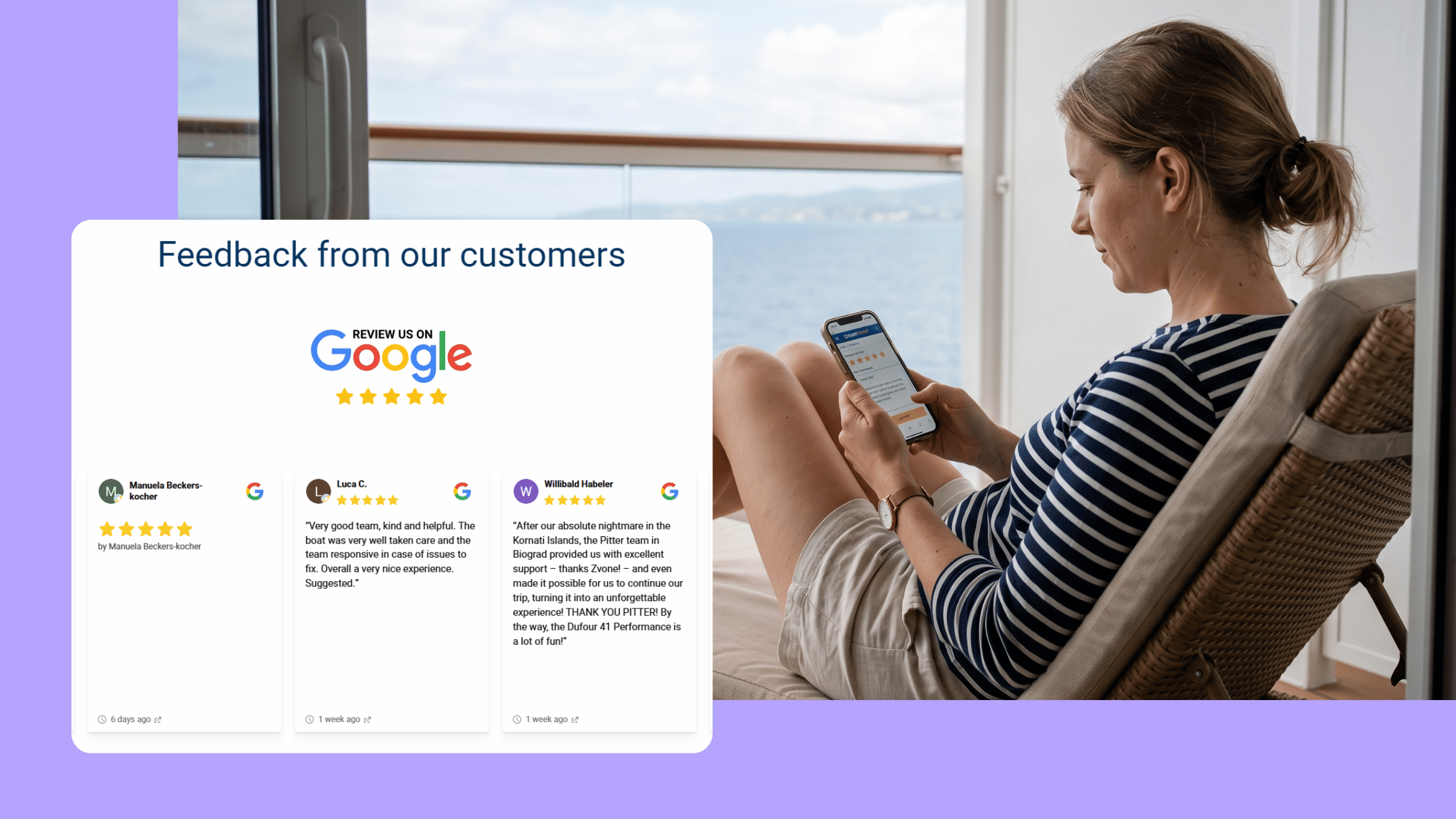
Online reviews and star ratings remain among the most powerful signals of trust that are available today. When a product has multiple honest reviews, it gives prospects confidence that others have validated it.
Some ways you can incorporate this into your marketing include using direct customer testimonials and reviews from third-party sites to reduce buyer hesitation and provide important context.
UGC & Social Media Mentions
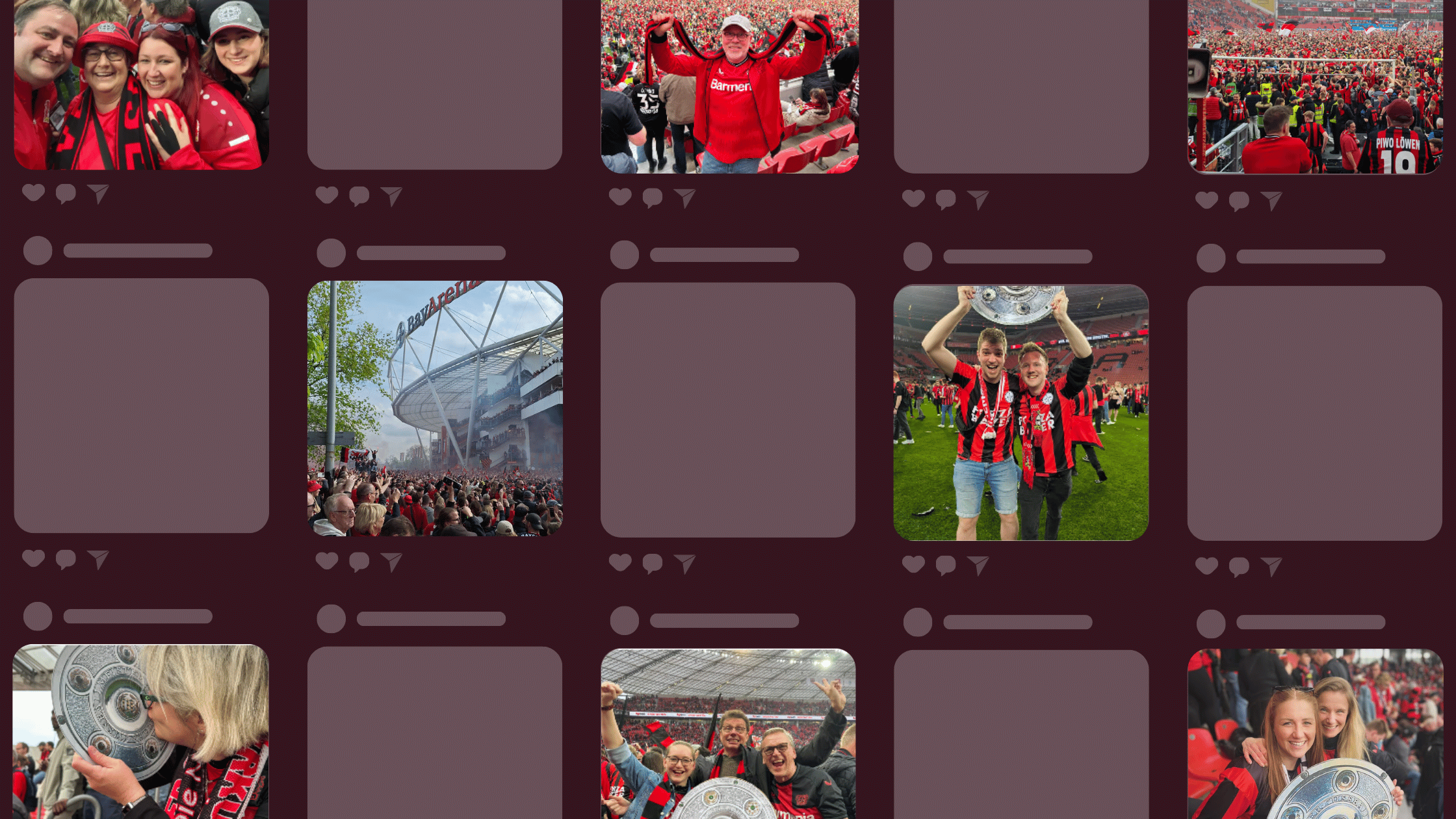
User-Generated Content (UGC), including photos, videos, and social media posts from actual users, resonates deeply with prospective buyers. These forms of content are perceived as genuine and relatable and go a long way toward making the brand more accessible.
While UGC is important for the B2B and B2C spaces, the social media you’ll need to aggregate reviews from can vary, as different customer bases may hang out in very different social media environments.
For B2C brands, posts on X (Formerly Twitter), Instagram, Facebook, TikTok, YouTube, and more that focus on the user experience, real-life context, and visual appeal matter most. This can range from the fashion, hospitality, and e-commerce industries, and more. B2B companies can get mentions on the same sites and also add posts and ratings from sites such as LinkedIn and G2.
Case Studies & Client Success Stories
For B2B companies, making a purchase decision is a complex process that requires considering multiple factors. While free trials and free plans can go a long way, adding social proof to your site in the form of long-form case studies and client success stories provides deeper validation. They showcase actual results, ROI, and real-world impact, which helps build confidence among decision-makers.
These long-form reviews bridge the trust gap that short ones cannot effectively cover, helping prospects understand how the product can perform and impact their business in a similar manner.
Social Signals & Popularity Indicators
Adding social signals on your signs about how successful your brand is can be a great way to leverage social proof for those seeking to be a part of something bigger and more trustworthy.
Aggregated social signals can include the following examples:
- Number of users
- Total reviews
- Social media follower counts
- Live activity counters
- Notifications on recent sign-ups
- Social media posts from reputed influencers
- Number of products remaining/countdown to limited offers
When people see such indicators, they are more likely to feel safer choosing what many others have chosen.
These forms of social proof also contain urgency and beckon many interested prospects to sign up and avail the right offer.
How to build a social proof marketing strategy in 5 easy steps
Here's a quick, sequential rundown of actions you can take to add social proof marketing for your brand.
1. Define your Goals and understand what assets you possess
Start by understanding what you want your social proof content to do and how you think it can help you. You might be looking to build awareness, increase credibility, increase website and social media engagement, improve conversions, or achieve multiple objectives. Based on your goals, you’ll be able to choose how you want to proceed and what metrics you can track to measure your Social proof.
Next, review the existing social proof online and assess what you already have and what you need to invest in. You’ll usually find:
- Past reviews, testimonials, support feedback, customer quotes
- Social media mentions, tagged posts, community feedback
- Visual content: user photos, unboxing videos, screenshots of real use cases. If you need the screenshots to always be up to date, you can automate the entire process using a tool like Screenshot Scout.
This audit identifies existing strengths and gaps, making it easier to build your strategy.
2. Source Social Proof Strategically

Based on what you find, you’ll need to decide whether to invest in getting more reviews or using what you have on your website.
If you are lacking sufficient online social proof, do the following:
- Ask for reviews or testimonials after purchase or milestones
- Encourage social sharing through branded hashtags, contests, or incentives
- Create case studies with customers willing to share detailed outcomes
If you do have social proof, start by incorporating it on your site in a smart, systematic way. Flockler helps you remove the hassle of obtaining and adding reviews to your site.
Start by signing up for Flockler’s 14-day free trial. On the dashboard, you can choose the social media site you want to integrate, and the bot will guide you through the process completely. While you can embed social media as your social proof, Flockler also lets you add Google reviews to aggregate and display them on your site.
Good news: With Flockler, you do not have to worry about getting consent and compliance when displaying social proof, as our UGC right management platform does this for you.
3. Moderate, Curate & Organize Content

For social proof to work effectively, you’ll need to ensure the content you’re displaying meets your brand guidelines. We get it, manually moderating every post, photo, or video you see online can be a complete headache.
Flockler has got you covered with Garde AI, an AI-powered tool to moderate submissions and filter for quality, relevance, and brand alignment.
4. Display Social Proof Across Touchpoints

Integrate social proof across channels for maximum impact:
Website: Embed reviews, ratings, UGC galleries, and testimonials on homepages, landing pages, and product pages
Email campaigns: Include review snippets, user photos, case study highlights
Social media & ads: UGC-based content performs better because it feels authentic and peer-driven
Digital signage: For brands with physical presence, social proof displays bridge online community with offline experiences
5. Measure Performance & Iterate
Track the social media metrics you set for yourself in the first step, and understand whether the social proof you are using is working for you. Just to give you an idea, here are some metrics you can track:
- Conversion lift: before vs. after social proof implementation
- Engagement: UGC interactions, click-throughs, time on page
- Content performance: which types perform best across channels
- ROI: cost saved vs. brand-created content, additional revenue, retention lift
Use insights to refine what you collect, how you display it, and which formats you prioritize.
Real-World Examples of Social Proof Marketing in Action
The best way to understand social proof marketing is to see how leading brands put it into practice. Here are proven examples from companies using Flockler to build trust, boost engagement, and drive conversions.
Worktop Express: Turning Customer Projects into Sales

Worktop Express, the UK's leading online shop for solid wood worktops, embeds user-generated content on its homepage, featuring an Instagram feed showcasing a curated collection of customer photos. When website visitors click on these images and videos, they find the matching product, along with customers' reviews and recommendations, and direct links to the purchase page to improve conversion.
The strategy works because potential customers see real home renovation projects, and it adds authentic social proof. It also helps prospects envision how worktops would look in their own homes, significantly reducing hesitation to purchase. Some are adding social proof with a clear CTA.
Sohome: Shoppable Feeds

Sohome's "Shop the look" carousel features curated images and videos on its online store's homepage, and when you click any image, a pop-up displays products related to the image, with a "Buy" button that lets shoppers purchase right from the spot. By making Instagram hashtag feeds and brand mentions shoppable, Sohome increases time spent on site and drives sales through seamless product discovery.
Opus Art Supplies: Celebrating Customer Creativity

The Instagram gallery of customer-generated content shows social proof and Opus Art Supplies' appreciation for the work of talented painters and photographers. Customers can submit images with text descriptions, and the marketing team reviews and approves uploads before they go live alongside Instagram hashtag feeds. This strategy builds community while showcasing real artists using their products.
Harvard University: Providing Campus-Wide Social Proof

Harvard's schools collect and display social media feeds on websites, campus TVs, and digital screens at events, creating unlimited Walls, Grids, Carousels, and Slideshows customized to fit each school's brand. The university uses social feeds for:
- Welcome days and commencement ceremony hashtag feeds to engage students and families
- Sports event feeds showing fan-generated content live at stadiums
- Alumni and Giving Day hashtag feeds that build awareness for fundraising campaigns
This multi-channel approach keeps prospective students, current students, alumni, and parents engaged with authentic campus life moments.
247GRAD creates strategic Social Walls for diverse Industries

The Koblenz-based agency 247GRAD develops digital strategies, websites, apps, ad campaigns, and social media content for clients, including energy suppliers, industrial companies, banks, and cultural centers. When a company's social media content offers strategic added value, 247GRAD recommends integrating a social wall on its website to inspire, strengthen its image and brand, demonstrate social proof, or provide insight into everyday working life.
Mistakes to Avoid when Implementing Social Proof
❌ Using fake reviews: If you’re discovered using fake social proof, then the brand damage is irreversible. It’s recommended that you use real user reviews and UGC, with clear links, to make it more authentic and avoid suspicion.
❌ Showing only perfect reviews: Balanced feedback builds credibility. Having only five-star reviews can trigger skepticism and distrust. Remember, it’s not just the highest reviews; how many reviews count too.
❌ Using outdated testimonials: Rotate content regularly and gather fresh reviews and UGC to signal ongoing activity and allay any customer doubts on relevance.
❌Overloading pages with social proof: While social proof is a great tool, overusing it can make you look like you’re trying too hard. Using it in the right context on your pages and adding only appropriate types of proof for your audience can help you focus on relevant signals and avoid cognitive overload.
❌ Ignoring consent and privacy: Always get explicit permission, credit creators, and ensure compliance with intellectual property rights.
❌ Treating social proof as one-time: Build ongoing processes to collect, moderate, display, measure, and iterate social proof consistently. Social proof is not a passing phenomenon and is here to stay.
How Flockler Makes Social Proof Marketing Scalable
So now remember, as your customer base grows, so does your reservoir of proof, turning every happy customer into a potential advocate. And to leverage this social proof effectively at scale requires organization, tools, and processes. That's where Flockler helps:
UGC Aggregation & Social Wall Capabilities: Flockler aggregates content from reviews, social media, testimonials, and other sources into a unified, dynamically updating feed, making it easy to access, manage, and repurpose.
Moderation & Approval Workflows: Built-in moderation ensures only quality, brand-aligned content goes live, protecting your brand while maintaining authenticity.
Flexible Embedding Options: Embed social proof walls or content galleries across websites, landing pages, emails, ads, and even digital signage without heavy development work.
Analytics & Performance Tracking: Get data on what content drives engagement and conversions, allowing you to measure ROI and optimize your strategy.
Scalability & Efficiency: As your user base grows, manual curation becomes unmanageable. Flockler scales with you, enabling continuous content flow without proportional resource investment.
Start your free trial with Flockler today and see how real customer voices boost trust and conversions.
FAQs
What is social proof marketing?
Social proof marketing is the practice of using real customer evidence, reviews, ratings, testimonials, user-generated content, and social signals to influence purchasing decisions. It leverages human psychology: people trust others' experiences and choices when making decisions.
Why is social proof more effective than traditional advertising?
Social proof is more effective because it comes from real customers rather than the brand itself. In an era of advertising saturation and skepticism, authentic user voices feel more trustworthy and relatable than polished marketing messages. This authenticity significantly increases engagement and conversion rates.
What types of social proof should my brand use?
The most effective approach combines multiple types: customer reviews and ratings for quick trust signals, user-generated content for authenticity and relatability, case studies for depth (especially in B2B), and social signals like user counts or recent activity for validation. The mix depends on your industry, audience, and sales cycle.
What's the difference between UGC and social proof?
UGC (user-generated content) is a type of social proof. Social proof is the broader concept of using evidence of others' behavior to influence decisions, which includes UGC, reviews, testimonials, ratings, case studies, and social signals. UGC specifically refers to photos, videos, and posts created by users.
How do I ensure I'm using social proof legally and ethically?
Always obtain explicit permission before reposting or reusing customer content. Credit the original creators when publishing. Ensure compliance with copyright and privacy regulations. Moderate content to maintain brand safety. Document consent and track metadata for all user-generated content you display.
Can fake or overly positive reviews hurt my brand?
Yes, fake reviews can cause irreversible brand damage. Consumers are sophisticated and can spot inauthentic reviews. Research shows that ratings around 4.2–4.5 stars with some mixed feedback actually perform better than perfect 5-star ratings because they feel more genuine. Authenticity is key. Balanced, real feedback builds more trust than curated perfection.
How do I measure the ROI of social proof marketing?
Track conversion rates before and after implementing social proof, engagement metrics (clicks, time on page, interactions), content performance by type and channel, and operational efficiency (cost saved vs. creating branded content). Compare UGC-enhanced pages against control pages without social proof to measure lift.
A true growth operator with extensive experience across crowdsourcing, affiliate programs, and social media aggregation. Brooke is the CEO if Flockler and cofounder of the marketing agency Northweather and has worked with global brands including LEGO. With international experience spanning SaaS, marketing, and product, she brings sharp expertise in strategy, execution, and driving results through global cross-functional teams.
Social infrastructure that scales with you.
Start your free trial, or let us show you the platform in action.